
Dental Implant Dentures vs. Traditional Dentures: What’s the Difference?
Traditional dentures are removable replacement teeth that rest over the gums and underlying jaw ridge. Implant-supported dentures use dental implants placed in the jawbone to provide additional retention and support. Implant-supported options can be removable or fixed, depending on the design. Both approaches can replace many or all missing teeth, but they differ in stability, treatment process, cleaning, bone requirements, and cost considerations.
Key Takeaways
- Traditional complete dentures are removable and do not require dental implant surgery.
- Implant-supported dentures attach to implants placed in the jawbone and generally provide greater stability during chewing and speaking than conventional dentures.
- Implant-supported dentures are not always fixed. Some snap on and off for cleaning, while fixed versions can generally only be removed by a dentist.
- Implant treatment requires sufficient bone to support the implants, although bone grafting may sometimes make treatment possible when bone volume is inadequate.
- Dental implants require a surgical procedure and a healing period in which the implants integrate with the jawbone.
- Both traditional and implant-supported dentures require ongoing cleaning, professional evaluation, and maintenance.
What does this mean for patients?
The main difference is where the replacement teeth get their support.
Traditional complete dentures sit over the gums and jaw ridge. Their stability depends on factors such as the shape of the residual ridge, the fit of the denture, oral tissues, and the patient’s ability to adapt to the appliance. New dentures may initially feel awkward or somewhat loose while the tongue and cheek muscles learn to help keep them in position.
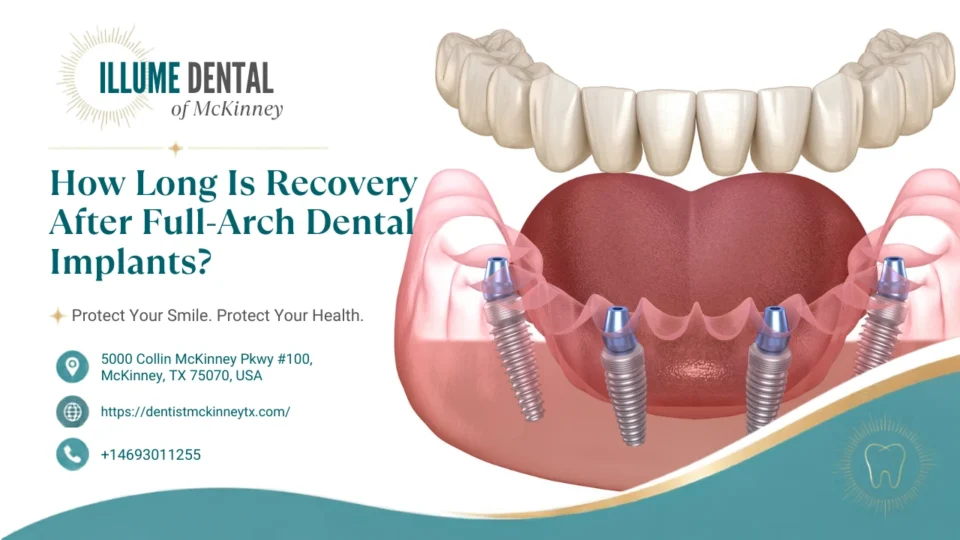
Implant-supported dentures use implants anchored in the jawbone for retention, support, or both. Because the denture connects to implants rather than relying entirely on the gums and jaw ridge, it generally has greater stability when eating and speaking.
That does not automatically make implant treatment appropriate for every patient. Bone volume, gum and oral health, medical history, smoking or tobacco use, medications, treatment goals, finances, and willingness to undergo surgery all need to be considered before a recommendation is made. The ADA notes that general health can be an important factor in implant candidacy and that tobacco use can slow healing.
How do implant dentures and traditional dentures differ?
| Question | Traditional Dentures | Implant-Supported Dentures |
| How are they supported? | Rest over the gums and underlying jaw ridge | Attach to dental implants placed in the jawbone |
| Are they removable? | Yes | Can be removable or fixed |
| Is surgery required? | Not for the denture itself, although extractions may be necessary beforehand | Yes, implant placement is a surgical procedure |
| Stability | Can move or loosen, particularly as oral tissues and the jaw ridge change | Generally more stable because they connect to implants |
| Bone requirements | Does not require enough bone for implant placement | Adequate jawbone is needed, although grafting may sometimes be possible |
| Treatment time | May be made relatively quickly, although conventional dentures placed after extractions may require healing first | Usually requires implant placement and a period of healing or osseointegration |
| Cleaning | Removed and cleaned daily | Depends on design: removable types are taken out for cleaning; fixed types require cleaning around and underneath the prosthesis |
| Upfront treatment complexity | Generally simpler because implant surgery is not involved | More complex because treatment involves implants, surgery, healing, and restorative components |
These are general differences rather than rules for every patient. Immediate dentures, overdentures, removable implant-retained dentures, and fixed full-arch restorations all have different treatment protocols.
Which option is more stable when eating and speaking?
Implant-supported dentures generally provide greater stability than traditional dentures because they attach to implants anchored in the jawbone. Cleveland Clinic notes that implant-supported dentures offer improved stability for chewing, eating, and speaking compared with traditional dentures.
Traditional dentures can still restore important chewing and speaking function. The American College of Prosthodontists notes that dentures can improve chewing and may improve speech difficulties caused by missing teeth. However, adaptation can take time, and fit may change as the tissues and jaw ridge change over the years.
A loose traditional denture does not necessarily mean implants are automatically required. Depending on its condition, adjustment, relining, or replacement may improve the fit. A dentist or prosthodontist needs to examine the denture and supporting tissues to determine the cause of looseness.
Do implant-supported dentures help preserve jawbone?
Dental implants interact with the jawbone differently from conventional dentures because implants are placed within the bone and function as artificial tooth-root replacements. Cleveland Clinic states that implant-supported dentures can help reduce jawbone loss because the implants provide stimulation to the bone.
This does not mean implant treatment completely prevents every future change in the jawbone. Bone and soft tissues can still change over time, and implants themselves require ongoing monitoring.
With traditional dentures, changes in the residual jaw ridge can gradually alter the fit. The American College of Prosthodontists notes that changes in the hard and soft tissues beneath removable dentures can lead to reduced retention, stability, and support and may eventually require relining, rebasing, or replacement.
How long does each treatment take?
Traditional denture timing depends on the type.
A conventional complete denture is normally made after remaining teeth have been removed and the tissues have healed. The ADA notes that this healing period may take several months. An immediate denture, in contrast, can be placed on the same day teeth are removed, although adjustments, relining, or replacement may be necessary as the mouth heals and changes shape.
Implant-supported dentures typically involve more stages. Implant placement is followed by osseointegration, when the surrounding bone heals around the implants. The ADA explains that this may take several months, while Cleveland Clinic gives a general healing period of about three to six months after implant placement for many implant-supported denture cases. Bone grafting or other procedures can extend the timeline.
Some patients may qualify for protocols in which replacement teeth are placed sooner. The ADA notes that selected patients can receive implants and replacement teeth during the same visit. Whether that approach is appropriate depends on the clinical situation.
How does maintenance differ?
Traditional removable dentures should be cleaned every day. The ADA recommends rinsing away debris, brushing dentures with a soft-bristled brush and nonabrasive denture cleanser, and cleaning the gums, tongue, cheeks, and roof of the mouth as well. Dentures also require professional evaluation because their fit can change.
Removable implant-supported dentures also come out for cleaning. The implants, attachments, gums, and denture itself need to remain clean.
Fixed implant-supported dentures stay in the mouth and require a different hygiene routine. Cleaning around the implants and underneath the restoration may involve floss threaders, interdental brushes, or other tools recommended by the dental team. Regular professional examinations and cleanings remain important.
Implants do not make oral hygiene unnecessary. The prosthesis and the tissues around the implants still require consistent maintenance.
When should you see a dentist?
A denture should be evaluated if it has become noticeably loose, uncomfortable, cracked, damaged, difficult to chew with, or associated with persistent sore areas.
The American College of Prosthodontists recommends regular examination of removable dentures because changes in the jaw and oral tissues can affect retention, stability, support, and comfort over time.
For patients with dental implants, contact the treating dental team if there is severe or persistent pain, significant bleeding, pus or signs of infection around an implant, fever, or another unexpected change after treatment.
A restoration that suddenly feels loose or unstable should also be evaluated rather than adjusted or repaired at home.
Questions to ask at your visit
- Would a traditional denture, implant-retained overdenture, or fixed implant-supported restoration fit my situation?
- Do I have enough healthy jawbone for dental implants?
- Would I need bone grafting or tooth extractions first?
- Would my implant-supported denture be removable or fixed?
- How long would the entire treatment process take in my case?
- What would I wear while the implants are healing?
- How would I clean the restoration at home?
- What ongoing maintenance will the implants and denture require?
- How might the treatment options differ in initial cost and future maintenance?
- What factors in my medical or dental history could affect implant healing?
How Illume Dental can help
Illume Dental of McKinney provides both denture and dental implant treatment. Its published denture information includes traditional complete and partial dentures as well as implant-supported dentures, while its dental implant services include implant-based replacement options for missing teeth.
An in-person evaluation can help determine how much bone is available, the health of the gums and remaining teeth, how the bite functions, and which type of tooth replacement is appropriate.
For someone comparing traditional dentures with implant-supported dentures, the decision should be based on clinical findings, treatment goals, maintenance requirements, expected treatment time, and the advantages and limitations of each approach rather than on one feature alone.
Frequently Asked Questions
Are implant dentures always permanent?
No. Implant-supported dentures can be either removable or fixed. A removable implant overdenture attaches to implants but can be taken out by the patient for cleaning. A fixed implant-supported denture generally stays in the mouth and can only be removed by the dentist when necessary.
Are implant-supported dentures more stable than traditional dentures?
Generally, yes. Because implant-supported dentures attach to implants placed in the jawbone, they typically provide greater stability for eating and speaking than conventional dentures that rely primarily on the gums and jaw ridge for support.
Do traditional dentures require surgery?
The denture itself does not require implant surgery. However, some patients need teeth extracted before receiving complete dentures. Immediate dentures can sometimes be inserted on the day of extraction, while conventional dentures are generally placed after the tissues have healed.
How long does it take to get implant-supported dentures?
The timeline varies. Dental implants commonly need several months to integrate with the jawbone before the definitive restoration is completed. Cleveland Clinic gives a general implant-healing period of approximately three to six months, although bone grafting or other procedures can lengthen treatment. Selected patients may qualify for earlier placement of replacement teeth.
Do implant-supported dentures still need to be cleaned?
Yes. Removable implant-supported dentures need daily cleaning, along with cleaning around the implants and gums. Fixed restorations also require daily cleaning around the implants and beneath the prosthesis. Regular dental examinations and professional maintenance remain important.
Can an existing traditional denture be converted to an implant denture?
Not automatically. The American College of Prosthodontists explains that implants may sometimes be placed beneath an existing denture to improve its support and stability, but the existing denture must first be evaluated to determine whether it is suitable for modification or reuse.