
The Impact of Sleep on Oral Health: A Nighttime Routine for a Healthy Smile

Did you know that your sleep habits can affect more than just your energy levels? Your oral health is closely tied to the quality of your rest and your nighttime routine. Poor sleep and inconsistent oral care can lead to issues like gum disease, bad breath, and even weakened enamel.
But here’s the good news—taking simple steps before bed can help keep your smile healthy and bright. From brushing and flossing to staying hydrated and avoiding late-night snacking, a mindful evening routine is key. Let’s dive into how your nightly habits can protect your teeth, gums, and overall well-being.
How does sleep deprivation affect gum health?
Sleep is crucial in maintaining good oral health, allowing the body to repair and regenerate tissues, including gums and teeth. During deep sleep, the body produces more saliva, which helps to neutralize acids in the mouth and prevent tooth decay.
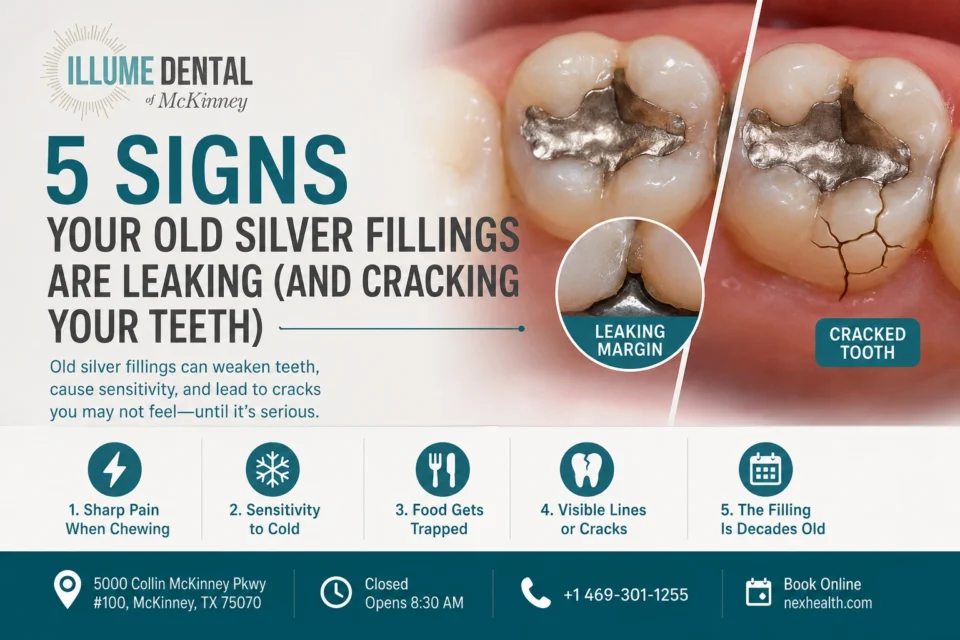
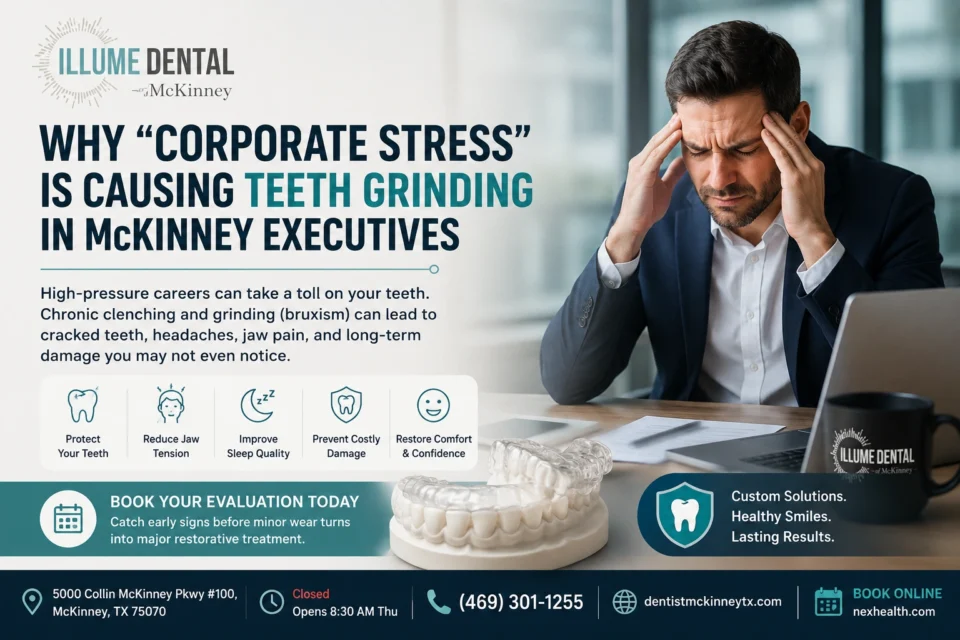
Additionally, adequate sleep supports a healthy immune system, reducing the risk of gum disease and other oral infections. Conversely, poor sleep habits, such as sleep apnea or teeth grinding, can contribute to oral health problems like tooth wear, jaw pain, and an increased risk of gum disease.
Establishing a nighttime routine is essential for promoting restful sleep and oral health. Brushing your teeth thoroughly before bed, flossing, and using a fluoride rinse can help prevent plaque buildup and cavities overnight. Regular dental check-ups also play a key role in catching early signs of gum issues before they become serious.
If you suffer from bruxism (teeth grinding) or sleep apnea, consult a dentist for solutions like mouthguards or other treatments. You can maintain a healthier smile and overall well-being by prioritizing sleep and oral hygiene.
What is the link between sleep and tooth decay?
There is a significant link between sleep and tooth decay, as the quality and duration of your sleep can directly affect your oral health. Here’s how sleep influences tooth decay:
- Saliva Production: During sleep, your body naturally produces less saliva, which is crucial for neutralizing acids in the mouth and washing away food particles. A dry mouth (xerostomia) can increase the risk of cavities.
- Increased Sugar Consumption at Night: People with poor sleep habits may snack late, particularly on sugary or acidic foods, fueling decay-causing bacteria.
- Teeth Grinding (Bruxism): Sleep disorders like bruxism can lead to excessive wear on the teeth, exposing them to damage and decay.
- Immune System Function: Poor sleep can weaken the immune system, making it harder to fight infections like gum disease.
For more insight into protecting your teeth from decay, check out simple ways to reduce tooth decay and how daily habits impact your oral health.
Prioritizing quality sleep and maintaining good oral hygiene can significantly reduce the risk of tooth decay and other oral health issues.
Can poor sleep quality lead to dry mouth and its oral health consequences?
Poor sleep quality can contribute to dry mouth, leading to various oral health problems. Dry mouth, or xerostomia, occurs when the salivary glands do not produce enough saliva to keep the mouth moist.
Here’s how poor sleep quality can cause dry mouth and its oral health consequences:
- Reduced Saliva Production: Poor or fragmented sleep can decrease saliva production, leading to dryness.
- Breathing Through the Mouth: Conditions like sleep apnea often cause mouth breathing, worsening dryness.
- Increased Risk of Tooth Decay: Less saliva means reduced protection against harmful bacteria and acids.
- Gum Irritation and Infection: Dry mouth can lead to inflamed gums and increase the risk of periodontal disease.
You can also explore your provider’s location and patient access through Illume Dental of McKinney on Google Maps to learn more about their services and patient care approach.
Improving sleep quality and addressing sleep disorders can help prevent dry mouth and reduce long-term oral health risks.
What are the best sleep habits to maintain optimal oral health?
Maintaining good sleep habits is essential for overall and optimal oral health. Here are some effective strategies:
- Establish a Consistent Sleep Schedule: Aim for 7–9 hours of sleep each night.
- Maintain a Clean Mouth Before Bed: Brush and floss thoroughly, and consider a fluoride rinse. Regular professional teeth cleanings can further support long-term oral health.
- Avoid Sugary Snacks Before Bed: Choose healthier options if needed.
- Address Teeth Grinding: A custom nightguard can protect your teeth.
- Sleep on Your Back: This reduces mouth breathing and helps maintain saliva levels.
- Manage Sleep Apnea: Work with your provider to reduce its impact on your oral health.
You can also explore helpful guidance in how daily habits affect your smile to strengthen your nighttime routine.
Adopting these habits can help prevent cavities, gum disease, and bad breath while supporting a healthier, more confident smile.
Enhance Your Smile: Optimize Sleep for Oral Health
Enhance your smile and optimize oral health by prioritizing quality sleep with Illume Dental of McKinney! We understand the strong connection between sleep and oral health, and we’re here to help you build a nighttime routine that truly works.
From brushing and flossing before bed to addressing concerns like teeth grinding or sleep apnea, our team offers expert guidance tailored to your needs. Quality sleep supports saliva production, reduces dry mouth, and helps protect your teeth from decay.
Take the next step toward a healthier smile—better sleep might be the missing piece. Reach out today and discover how your nighttime routine can transform your oral health.