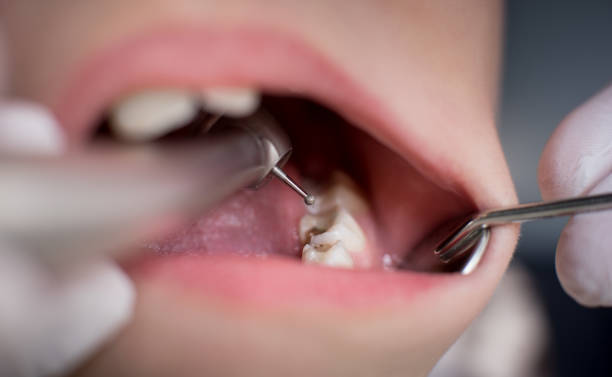
Why Your Gums Bleed When It’s Windy in North Texas (Cedar Fever & Inflammation)
North Texas residents know that windy weather brings more than dramatic hairstyles and unexpected dust clouds. When cedar pollen fills the air, sneezing, nasal congestion, and dry mouth can follow. Some people also notice blood while brushing their teeth and wonder whether the weather is responsible. Why your gums bleed when it’s windy in North Texas is usually a question about several overlapping factors, not pollen directly damaging the gums.
Cedar fever can contribute to congestion, mouth breathing, and oral dryness, while existing gum inflammation may explain the bleeding. At Illume Dental of McKinney, patients can receive an evaluation to identify whether plaque buildup, gingivitis, medication-related dryness, or another condition is affecting their gums.
When North Texas Winds Pick Up, Your Gums Might Have Their Own Complaints
Anyone who has lived through a North Texas allergy season understands the routine.
One day, the weather is pleasant enough for an afternoon walk. The next, a cold front arrives, the wind picks up, and half the neighborhood starts reaching for tissues.
For some McKinney residents, the seasonal discomfort does not stop at watery eyes and irritated noses.
Their mouths may also feel unusually dry.
Brushing might become uncomfortable. The gums may appear redder than usual, and occasional bleeding can become noticeable.
Naturally, this raises a question: Can windy weather actually make gums bleed?
Not directly.
Wind does not ordinarily cause healthy gum tissue to bleed. Cedar pollen also is not an established direct cause of gingivitis.
Instead, several factors can occur together during allergy season.
Nasal congestion can encourage mouth breathing. Certain allergy medications can reduce saliva. A dry mouth may feel irritated, while bacterial plaque around the gums can trigger inflammation and bleeding.
That combination can make existing oral health problems more noticeable.
Understanding the difference helps patients avoid blaming the weather for a condition that may require dental care.
What Exactly Is Cedar Fever, and Why Does North Texas Get So Much of It?
Despite its dramatic name, cedar fever is not a traditional fever-producing infection.
It is a seasonal allergic reaction associated with pollen from certain juniper trees.
In Texas, the best-known source is Ashe juniper, often called mountain cedar.
These trees are particularly abundant in Central Texas.
However, their pollen does not stay neatly within county lines.
Wind Carries Pollen Across Texas
Juniper pollen is lightweight and easily transported through the air.
Strong winds can carry pollen considerable distances, including into North Texas.
Residents of McKinney, Frisco, Allen, Plano, and surrounding communities may experience cedar-related allergy symptoms even without living near large numbers of mountain cedar trees.
When Does Cedar Fever Season Begin?
Mountain cedar pollen commonly becomes a concern in December, with particularly high concentrations during January.
The season can continue into February or early March, depending on weather patterns.
Cold fronts and dry, windy conditions can contribute to significant pollen release and movement.
What Are the Common Symptoms?
Cedar fever may cause:
- Sneezing.
- Nasal congestion.
- Runny nose.
- Itchy or watery eyes.
- Scratchy throat.
- Coughing.
- Fatigue.
- Changes in smell.
These symptoms can resemble an ordinary respiratory illness.
However, cedar fever is an allergic response, not a contagious infection.
Why Does This Matter for Oral Health?
The mouth and nose work together during normal breathing.
When congestion makes nasal breathing difficult, a person may begin breathing through the mouth more frequently.
That change can contribute to dryness.
For someone whose gums are already inflamed, allergy season may create conditions that make oral discomfort more noticeable.
It is an indirect connection rather than proof that cedar pollen itself causes gum bleeding.
Cedar Fever and Gum Inflammation: Two Very Different Problems
The phrase cedar fever and gum inflammation can make the two conditions sound like parts of one disease.
They are not.
Cedar fever is an allergic reaction involving the immune system’s response to airborne pollen.
Gingivitis is most commonly inflammation of the gums associated with bacterial plaque.
Both involve inflammatory responses, but they develop through different mechanisms.
What Happens During Cedar Fever?
When a susceptible person encounters cedar pollen, the immune system may trigger symptoms such as nasal swelling, sneezing, and itching.
These symptoms largely involve the respiratory passages and eyes.
What Happens During Gingivitis?
Plaque bacteria accumulate on teeth and near the gumline.
The body’s response to this bacterial buildup can cause the gums to become inflamed.
Affected gums may appear red, swollen, or more likely to bleed during brushing and flossing.
Does Allergy Inflammation Spread Into the Gums?
There is no established basis for claiming that inflammation from cedar pollen simply travels from the sinuses into the gums and makes them bleed.
The more realistic explanation is that seasonal allergies can coincide with other factors affecting oral health.
Why Patients Should Know the Difference
A person who assumes gum bleeding is merely another allergy symptom may overlook gingivitis or another dental problem.
Likewise, someone with mouth dryness but healthy gums may not require periodontal treatment.
A dental examination can help distinguish the two situations.
The Mouth-Breathing Connection: When a Stuffy Nose Changes Everything
Mouth breathing is one of the most practical links between seasonal allergies and oral discomfort.
When nasal passages become congested, some people begin breathing through their mouths.
This may happen during the day or while sleeping.
Why Mouth Breathing Can Feel Uncomfortable
Air passing continuously through the mouth can increase the sensation of dryness.
The lips, tongue, and oral tissues may feel less comfortable than usual.
Patients sometimes notice dry lips or a sticky feeling when they wake up.
Nighttime Mouth Breathing
The body naturally produces less saliva during sleep.
When mouth breathing occurs at the same time, dryness may become more noticeable.
A patient might wake up with:
- A dry tongue.
- Sticky saliva.
- Unpleasant morning breath.
- A scratchy throat.
- Increased oral discomfort.
These symptoms can occur during allergy season, although other conditions may also contribute.
Does Mouth Breathing Cause Bleeding Gums?
Mouth breathing is not a sufficient explanation for every case of gum bleeding.
However, persistent oral dryness may contribute to irritation and changes in the oral environment.
If plaque-related gingivitis is already present, bleeding may become more noticeable during this period.
What About Snoring?
Nasal congestion may worsen snoring in some individuals.
However, persistent snoring, gasping during sleep, or significant daytime sleepiness may suggest a sleep-related breathing disorder.
Those symptoms deserve medical assessment rather than being attributed only to cedar fever.
Your Saliva Is Doing More Work Than You Think
Saliva rarely receives much appreciation.
Most people notice it only when there is not enough.
Yet saliva plays an important role in maintaining oral health.
Saliva Helps Protect Teeth
Saliva helps dilute acids, clear some food debris, and provide minerals involved in enamel protection.
It also supports swallowing, speaking, and comfortable chewing.
Saliva Protects Soft Tissues
A moist oral environment helps reduce friction and supports the normal protective functions of oral tissues.
When saliva is reduced, the mouth can become irritated or uncomfortable.
Dry Mouth and Plaque
Reduced saliva may make it harder for the mouth to clear some food particles and acids naturally.
Over time, persistent dry mouth can increase the risk of cavities and oral infections.
However, dryness alone does not prove that gum disease is present.
Signs of Dry Mouth
Patients may notice:
- A sticky or unusually dry feeling.
- Frequent thirst.
- Difficulty swallowing dry foods.
- A burning sensation.
- Cracked lips.
- Altered taste.
- Persistent bad breath.
Why Seasonal Allergies Matter
Nasal congestion and certain medications may contribute to dry mouth.
That makes allergy season a reasonable time to pay closer attention to hydration and oral comfort.
However, recurring gum bleeding should still be evaluated independently.
Could Allergy Medication Be Making Your Mouth Drier?
Many North Texas residents use medications to manage cedar fever symptoms.
Antihistamines and decongestants can be useful for certain patients, but some may contribute to dry mouth.
Antihistamines
Certain antihistamines reduce allergy symptoms but may also reduce salivary flow or create a sensation of dryness.
The likelihood and severity depend on the medication and individual response.
Decongestants
Some decongestant medications can also contribute to dry mouth.
Patients taking multiple medications may experience overlapping side effects.
Should Patients Stop Taking Allergy Medication?
Not without appropriate medical advice.
Allergy treatment may be important for daily comfort and respiratory symptoms.
Patients should speak with their physician or pharmacist if medication-related dry mouth becomes troublesome.
A different medication or management strategy may be appropriate.
Why Dentists Ask About Medications
At Illume Dental of McKinney, reviewing medications can help identify possible contributors to oral symptoms.
The dental team may recommend ways to manage dryness while the patient discusses medication adjustments with the prescribing professional.
The key is to address both the allergy symptoms and the oral health concern rather than assuming one solution will fix everything.
The Most Common Reason Gums Bleed Is Still Plaque
Despite the seasonal connection, bacterial plaque remains a common cause of bleeding gums.
Plaque is a sticky bacterial film that forms naturally on tooth surfaces.
When it accumulates around the gumline, it can trigger inflammation.
What Does Gingivitis Look Like?
Possible symptoms include:
- Red or swollen gums.
- Bleeding during brushing.
- Bleeding while flossing.
- Tenderness around certain teeth.
- Persistent bad breath.
Some patients experience only mild symptoms.
Why Gingivitis Can Be Easy to Ignore
A person may notice a little blood in the sink and assume it is normal.
Others believe that bleeding means they should stop flossing.
However, persistent gum bleeding deserves attention.
Can Gingivitis Be Reversed?
Plaque-related gingivitis often improves with effective home care and appropriate professional cleaning.
However, the dentist must first assess whether the condition is gingivitis or a more advanced periodontal problem.
What Happens If It Progresses?
In some patients, untreated gum inflammation can progress to periodontitis.
Periodontitis affects the structures supporting the teeth and may involve bone loss.
It requires ongoing professional management.
Why the Weather May Be a Distraction
When gums bleed during windy weather, the timing may make cedar fever seem like the obvious culprit.
But if the underlying cause is plaque-related inflammation, allergy medication alone will not resolve it.
That is why a dental evaluation matters.
Why Brushing Harder Is Not the Answer to Bleeding Gums
Some patients respond to bleeding by brushing more aggressively.
The logic sounds reasonable: if bacteria are causing problems, stronger scrubbing should remove more bacteria.
Unfortunately, the gums do not work like kitchen countertops.

Excessive Pressure Can Irritate the Gums
Hard brushing can contribute to irritation and tissue injury.
Over time, aggressive brushing may also contribute to tooth surface wear in susceptible individuals.
Use a Soft-Bristled Toothbrush
The American Dental Association recommends a soft-bristled toothbrush for most patients.
Effective plaque removal depends on technique and consistency rather than force.
Keep Brushing Twice Daily
Patients should generally brush twice daily for two minutes using fluoride toothpaste.
The toothbrush should clean accessible tooth surfaces and gently reach the gumline.
Continue Appropriate Interdental Cleaning
Cleaning between teeth once daily helps remove plaque from areas that toothbrush bristles cannot reach effectively.
If the gums bleed, use a gentle technique.
Persistent bleeding should be evaluated rather than ignored.
What If the Gums Are Tender?
Patients may benefit from reviewing their brushing and flossing techniques with a dental professional.
There is no need to scrub harder or use abrasive home remedies.
Is It Really Cedar Fever or Something Else?
Seasonal timing can provide clues, but it cannot establish a diagnosis.
Several conditions may cause gum bleeding or oral discomfort.
Gingivitis
This is a common explanation when bleeding occurs during brushing or flossing.
Periodontitis
More advanced periodontal disease may cause bleeding, recession, periodontal pockets, or tooth mobility.
However, some cases have few noticeable symptoms.
Mechanical Injury
Aggressive brushing, improper flossing technique, or an accidental injury may cause localized bleeding.
Medication Effects
Certain medications, including blood thinners, can increase bleeding.
Patients should never discontinue prescribed medication solely because their gums bleed.
Pregnancy-Related Changes
Hormonal changes during pregnancy can increase susceptibility to gum inflammation.
A dentist can recommend appropriate care.
Other Health Conditions
Vitamin deficiencies, blood disorders, and other medical problems can sometimes contribute to abnormal bleeding.
These are less common explanations than plaque-related inflammation, but they may be relevant in selected cases.
When Medical Evaluation Is Needed
Bleeding that is spontaneous, unusually heavy, difficult to stop, or accompanied by unexplained bruising or other symptoms may require prompt medical evaluation.
The important point is that gum bleeding has several possible causes.
Windy weather alone is not a diagnosis.
The North Texas Windy-Day Oral Care Routine
Patients cannot control the weather, but they can make practical adjustments during allergy season.
These habits may improve comfort while supporting healthy gums.
1. Drink Water Regularly
Water helps maintain hydration and can temporarily relieve the sensation of dry mouth.
Keeping water nearby may be particularly useful when allergy symptoms are troublesome.
2. Brush Gently
Use a soft-bristled toothbrush and fluoride toothpaste.
Focus on thorough plaque removal rather than increased pressure.
3. Clean Between Teeth Daily
Floss or use another appropriate interdental cleaning tool.
Patients with sensitive gums should avoid forceful movements.
4. Consider Sugar-Free Gum
Sugar-free chewing gum may stimulate saliva in patients who can chew comfortably.
Products containing xylitol can be an option, but gum is not a substitute for brushing or professional dental care.
5. Avoid Frequent Sugary Drinks
Some patients sip sweetened beverages to soothe a dry throat.
However, frequent sugar exposure can increase cavity risk.
Plain water is generally the better everyday choice.
6. Choose an Appropriate Mouth Rinse
Some patients with dry mouth benefit from alcohol-free rinses or saliva substitutes.
However, products should be selected according to individual needs.
A dentist or pharmacist can offer guidance.
7. Follow Appropriate Allergy Treatment
Managing nasal symptoms may reduce the need for mouth breathing.
Patients should discuss persistent allergies or medication side effects with an appropriate healthcare professional.
8. Keep Regular Dental Appointments
Even excellent home care may not remove hardened tartar.
Professional dental visits help identify and manage concerns before they become more complicated.
Can a Humidifier Help With Allergy-Season Dry Mouth?
Some people experience greater oral dryness during winter because of indoor heating, environmental conditions, and mouth breathing.
A properly maintained humidifier may improve comfort in a dry indoor environment.
However, it is not a treatment for gingivitis or periodontitis.
Humidity and Comfort
Maintaining appropriate indoor humidity may reduce the sensation of dryness in some individuals.
Cleaning Matters
A poorly maintained humidifier can become a source of unwanted microorganisms or allergens.
Patients should follow the manufacturer’s cleaning instructions and avoid excessive indoor humidity.
When It May Not Be Enough
Persistent dry mouth can have several causes, including medications and medical conditions.
Patients should seek professional evaluation rather than relying entirely on room humidity.
A humidifier may improve comfort, but it cannot remove plaque or repair periodontal damage.
Why Morning Breath Can Get Worse During Cedar Season
Morning breath is common because saliva production naturally decreases during sleep.
When nasal congestion and mouth breathing occur together, oral dryness may be more noticeable.
How Dryness Contributes
Saliva normally helps clear certain compounds and food debris from the mouth.
With less saliva, odor-producing substances may become more noticeable.
Plaque and Gum Disease Can Add to the Problem
Gingivitis and periodontitis may contribute to persistent bad breath.
However, bad breath has multiple possible causes.
What Helps?
Consistent brushing, interdental cleaning, hydration, and appropriate tongue cleaning can be useful.
Patients should also seek evaluation for persistent dry mouth or bleeding gums.
When Breath Mints Are Not Enough
Breath mints can temporarily disguise odor.
They do not treat gum disease or address every cause of dry mouth.
If unpleasant breath continues despite good hygiene, a dental examination may help identify the source.
How Dentists Determine Whether Bleeding Is a Gum Problem
When patients visit Illume Dental of McKinney with concerns about bleeding gums, the examination focuses on identifying the actual cause.
The process may involve several steps.
Reviewing Symptoms
The dental team may ask when bleeding occurs, how long it has been happening, and whether pain or swelling is present.
Reviewing Health History
Medications, medical conditions, tobacco use, and other risk factors can affect oral health.
Seasonal allergy symptoms may also be relevant, particularly when dry mouth is present.
Examining the Gums
The dentist evaluates gum color, inflammation, recession, and other visible changes.
Periodontal Measurements
When appropriate, measurements around the teeth help assess gum and supporting-tissue health.
Evaluating Plaque and Tartar
The examination may identify deposits that require professional removal.
Additional Imaging
Dental X-rays may be recommended when necessary to evaluate supporting bone or other concerns.
Not every patient requires the same tests.
Discussing the Findings
Once the condition is assessed, the dental team can recommend appropriate treatment or monitoring.
This avoids treating every case of bleeding as though it has the same cause.
From Gingivitis to Periodontitis: Why Early Attention Matters
Gum disease does not always cause significant pain in its early stages.
That is one reason patients may delay care.
Gingivitis
Gingivitis involves gum inflammation without the attachment and bone loss characteristic of periodontitis.
It is often reversible when plaque-related causes are effectively addressed.
Periodontitis
Periodontitis affects the supporting tissues around teeth.
It may cause attachment loss, bone loss, gum recession, or tooth mobility.
Lost supporting bone does not automatically return after routine cleaning.
Professional Cleaning
For patients without advanced periodontal disease, appropriate professional cleaning can help remove plaque and tartar.
Scaling and Root Planing
Patients with periodontitis may require more extensive cleaning below the gumline.
Scaling and root planing can help manage certain periodontal conditions.
Ongoing Maintenance
Some patients benefit from more frequent periodontal maintenance and monitoring.
The recommended schedule depends on clinical findings and individual risk.
Why Dry Mouth Management Still Matters
Even after plaque-related inflammation is addressed, persistent dry mouth may continue to affect oral comfort and cavity risk.
Patients may need separate strategies for their allergies and oral dryness.
Treating the correct condition is more useful than treating every symptom as cedar fever.
When Bleeding Gums Need a Dental Appointment
A single small episode of bleeding may have a relatively simple explanation.
However, repeated bleeding is not something patients should automatically dismiss.
Schedule an Evaluation When:
- Gums bleed repeatedly during brushing or flossing.
- Bleeding continues despite gentle, consistent home care.
- The gums appear swollen or unusually red.
- Persistent bad breath develops.
- The gumline appears to be receding.
- Teeth feel loose or chewing becomes uncomfortable.
- Dry mouth is persistent or severe.
Seek More Urgent Attention When:
- Significant bleeding is difficult to control.
- There is increasing swelling or severe pain.
- A dental infection is suspected.
- Unexplained bleeding occurs with other concerning symptoms.
Facial or neck swelling accompanied by difficulty swallowing or breathing requires emergency medical care.
Patients should not delay evaluation merely because symptoms appeared during a windy week.
The Cedar Fever Calendar Does Not Have to Control Your Smile
North Texas residents experience seasonal changes that can affect daily comfort.
December and January may bring cedar pollen, while spring introduces other allergens.
However, oral health problems can occur throughout the year.
Track Symptoms Without Self-Diagnosing
Patients may find it helpful to note when gum bleeding, dry mouth, and allergy symptoms occur.
A symptom record can provide useful information during an appointment.
Look for Patterns
For example, bleeding that occurs only when flossing certain teeth may suggest a localized dental concern.
Persistent dry mouth after taking medication may warrant discussion with a pharmacist or physician.
Do Not Assume Seasonal Symptoms Are Harmless
A problem that becomes noticeable during cedar season may still require dental treatment.
Keep Prevention Consistent
Regular brushing, interdental cleaning, hydration, and professional evaluations remain useful regardless of weather conditions.
The goal is to manage seasonal discomfort while maintaining a healthy oral environment.
McKinney’s Gum Health Checklist: What Patients Can Do Before the Next Cold Front
For residents throughout McKinney, Allen, Frisco, Prosper, and nearby North Texas communities, preparing for seasonal allergies can include paying attention to oral health.
A few simple questions can help patients recognize when professional advice may be useful.
Does the mouth feel unusually dry?
Persistent dryness may deserve evaluation, particularly when it interferes with eating, speaking, or sleeping.
Are the gums bleeding repeatedly?
Regular gum bleeding should not be attributed automatically to pollen.
Have allergy medications recently changed?
Some medications may contribute to oral dryness.
Is brushing becoming uncomfortable?
A softer technique or a dental evaluation may help identify the issue.
Has it been a while since the last dental examination?
Professional monitoring can help detect plaque-related inflammation or other concerns.
Are gum symptoms getting worse?
Increasing bleeding, swelling, or tenderness may require prompt attention.
These questions cannot replace a diagnosis, but they can help patients decide when to seek care.
FAQs: North Texas Wind, Cedar Fever, and Bleeding Gums
Can cedar fever directly make gums bleed?
Cedar fever is not an established direct cause of gum bleeding. However, congestion, mouth breathing, and medication-related dry mouth may occur alongside existing gum inflammation, making oral discomfort more noticeable.
Why do gums bleed more during allergy season?
The timing may involve dry mouth, changes in oral hygiene habits, or an existing condition such as gingivitis. A dentist can determine whether plaque buildup or another problem is responsible.
Can antihistamines cause bleeding gums?
Antihistamines are more commonly associated with dry mouth than direct gum bleeding. Persistent bleeding should be evaluated for gum disease, irritation, medication effects, or other causes.
Does windy weather cause gingivitis?
No. Gingivitis is most commonly associated with plaque-related inflammation rather than wind exposure. Seasonal conditions may contribute to oral dryness, but they do not replace the need to evaluate bleeding gums.
Can mouth breathing make gum problems worse?
Mouth breathing can contribute to oral dryness and discomfort. It may complicate the oral environment, but it does not establish that gum disease is present.
Should someone stop flossing when their gums bleed?
Not automatically. Gentle daily interdental cleaning is generally important. However, persistent or heavy bleeding requires professional evaluation, and floss should never be forced against the gums.
Can drinking more water stop gum bleeding?
Water can help with hydration and dry mouth symptoms. However, it cannot replace plaque removal or professional care when gum disease is causing bleeding.
When should McKinney residents see a dentist for bleeding gums?
Patients should schedule an examination when bleeding persists, occurs repeatedly, or is accompanied by swelling, recession, discomfort, or other concerning symptoms.
Don’t Let North Texas Winds Make the Diagnosis for Your Gums
North Texas weather has a way of getting everyone’s attention.
Between sudden temperature changes, strong winds, and cedar pollen traveling across the region, residents may find themselves dealing with congestion, dry mouth, and seasonal discomfort.
However, bleeding gums deserve their own explanation.
Cedar fever may contribute to conditions that make the mouth feel dry or irritated, but it does not automatically cause gum disease.
At Illume Dental of McKinney, Dr. Chen and the dental team help patients identify the reasons behind persistent gum bleeding, tenderness, and other oral health concerns.
The practice offers dental examinations, professional teeth cleanings, and gum disease treatment based on individual needs.
Patients experiencing symptoms during allergy season can discuss their medications, dry mouth concerns, and oral hygiene habits during a dental visit.
The team can evaluate whether gingivitis, periodontitis, mechanical irritation, or another condition may be responsible.
For patients wondering why their gums bleed when it’s windy in North Texas, professional evaluation can provide more useful answers than assuming the latest cold front is to blame.
Illume Dental of McKinney encourages patients to address repeated bleeding before additional problems develop.
This article is for general education and does not replace a dental exam or personalized advice. Treatment recommendations depend on your health history and a clinical evaluation. To discuss your situation, contact Illume Dental of McKinney to schedule a visit.