
Mini Dental Implants vs. Traditional Implants: Who Is Each Option For?
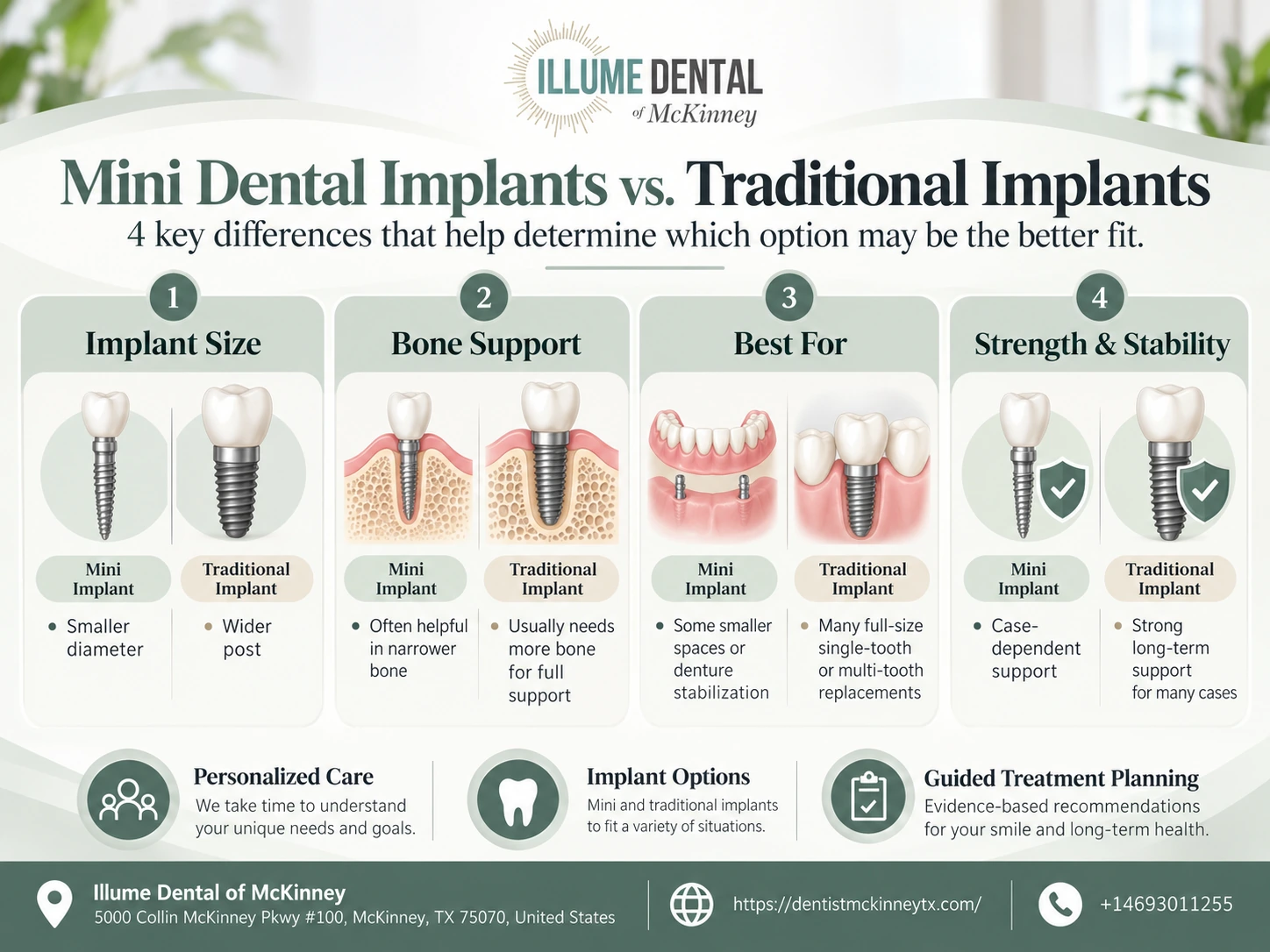
Mini dental implants may suit selected patients who need a removable lower denture stabilized, particularly when the jawbone ridge is narrow. Traditional implants support a broader range of tooth replacements, including individual crowns, bridges, and full-arch restorations. Choosing between them requires an assessment of available bone, oral health, bite forces, and the planned replacement teeth. A smaller implant is not automatically the better choice for someone with bone loss.
Key Takeaways
- Mini implants have a smaller diameter and more limited indications.
- They may reduce the need for bone grafting in selected cases, but adequate supporting bone is still necessary.
- Traditional implants can support fixed or removable replacement teeth.
- Both options require careful planning, daily cleaning, and ongoing dental care.
What Does This Mean for Patients?
The important question is which implant and restoration combination fits your mouth.
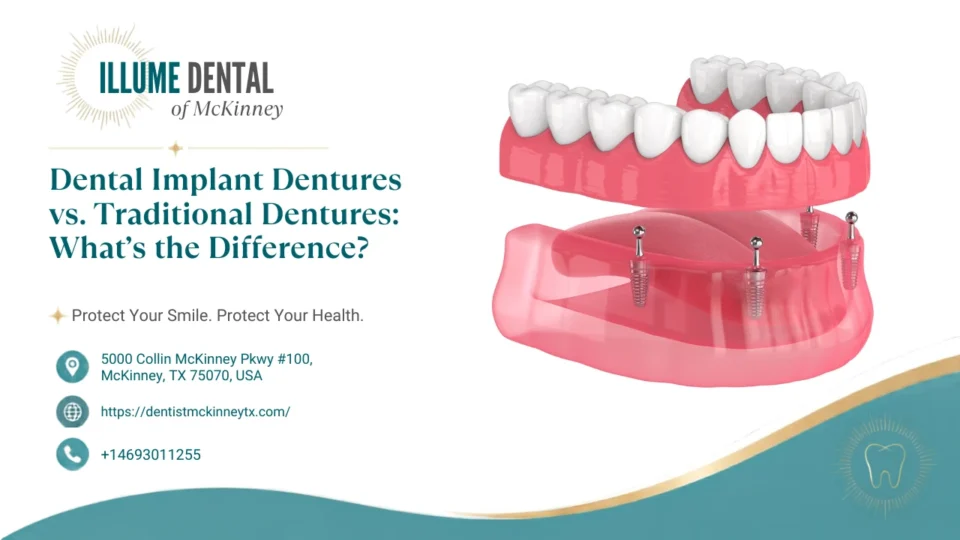
Mini implants are commonly used to help retain an overdenture, a removable denture that connects to implants for improved stability. Evidence and clinical recommendations particularly support selected uses in the lower jaw. Their suitability should not be assumed to be the same for upper dentures or every fixed tooth replacement.
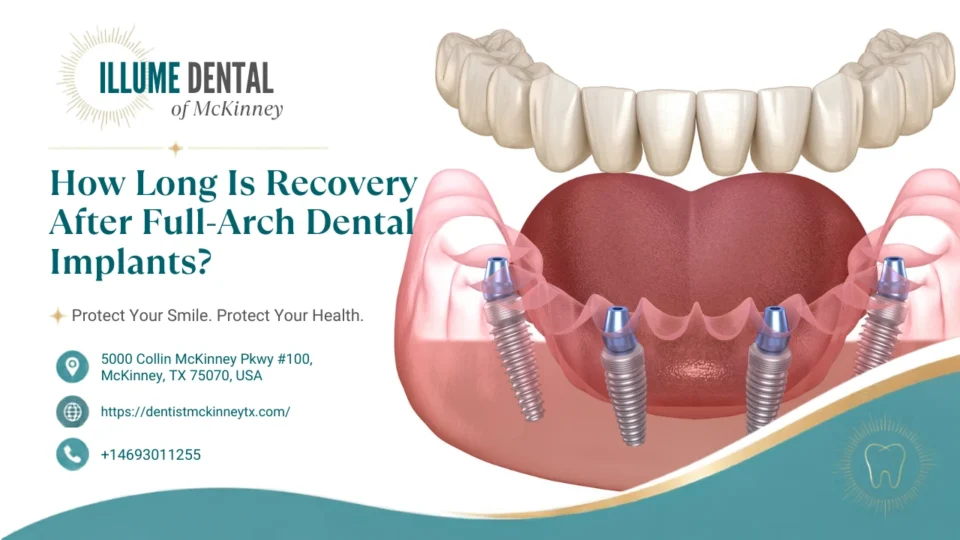
Traditional implants may suit patients seeking a single replacement tooth, an implant-supported bridge, or a fixed or removable full-arch restoration. When bone is insufficient, grafting may be part of the treatment plan.
How Do the Options Differ?
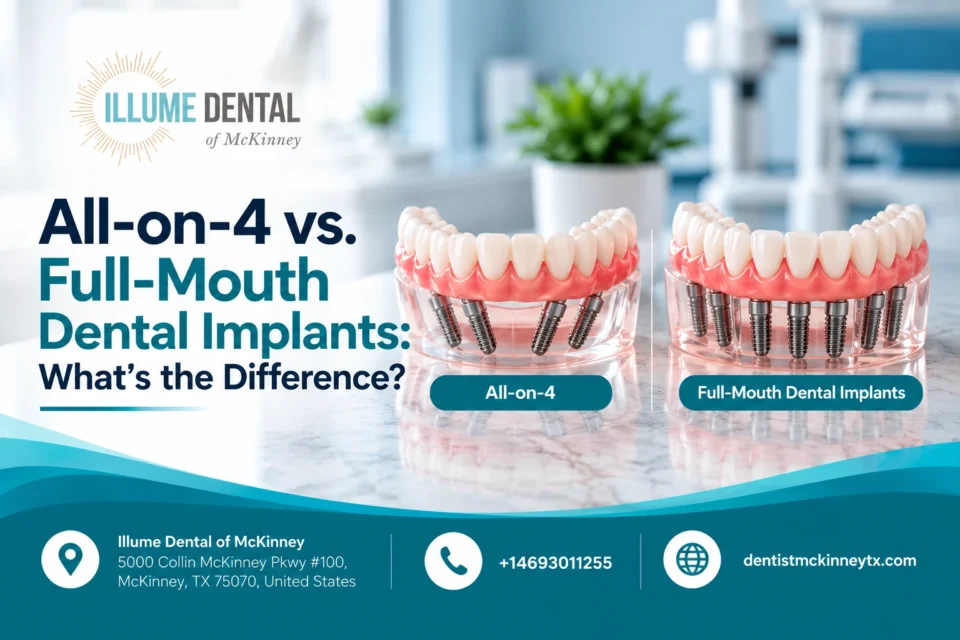
“Traditional” generally refers to standard-diameter implants. Terminology varies, but the International Team for Implantology classifies implants under 2.5 millimeters in diameter as mini implants. Other narrow-diameter implants fall into separate categories.
| Question | Mini Dental Implants | Traditional Dental Implants |
| What are common uses? | Retaining removable lower dentures and supporting certain temporary restorations | Supporting crowns, bridges, and fixed or removable full-arch restorations |
| Who may benefit? | Selected patients with narrow bone ridges who need denture stabilization | Patients whose anatomy and treatment goals support conventional implant placement |
| Is bone grafting necessary? | May be avoided in selected cases | May be needed when available bone is insufficient |
| What limitations matter? | Reduced diameter increases fracture concerns; heavy bite forces and grinding require caution | Placement still depends on bone, surrounding anatomy, and restoration requirements |
| Can replacement teeth be attached immediately? | Sometimes, when clinical conditions permit | Sometimes, when clinical conditions permit |
These differences guide treatment planning; they do not establish candidacy by themselves. Mini implants should not be presented as interchangeable substitutes for conventional implants in every situation.
What Should You Expect From Healing and Maintenance?
Some mini implant procedures can involve less extensive surgery, especially when grafting is avoided. However, faster recovery and immediate use are possibilities rather than guarantees.
Implants need to integrate with the surrounding bone. Healing can take several months or longer, and attaching replacement teeth early does not mean this process is complete. Smoking and overall health can affect healing and long-term outcomes.
Both options need regular cleaning and professional follow-up. Removable implant dentures also require attention to their attachments, which can wear and need maintenance.
When Should You See a Dentist?
Arrange an evaluation if you have missing teeth, difficulty chewing, or a denture that slips or feels uncomfortable. Implant planning generally includes reviewing your medical history, examining your mouth, and obtaining appropriate dental imaging.
If an existing implant feels loose or painful, contact your dental provider promptly.
Questions to Ask at Your Visit
- Why do you recommend this implant type for my restoration?
- Is there enough bone, or would grafting be necessary?
- Will my replacement teeth be fixed or removable?
- How does teeth grinding affect the plan?
- What does the full treatment estimate include?
- What maintenance and future repairs should I expect?
How Illume Dental Can Help
Illume Dental of McKinney lists mini dental implants and conventional implant restoration services on its website. Its consultation process includes examining the teeth and gums, discussing goals, and developing an individualized treatment plan. Illume Dental
If you are comparing mini dental implants vs traditional implants, schedule a consultation with Illume Dental to discuss which approach may fit your needs.
Frequently Asked Questions
Can mini implants replace traditional implants in every case?
No. Their smaller diameter creates different mechanical limitations, and their suitability depends on the restoration and clinical conditions.
Do mini implants always eliminate bone grafting?
No. They may allow treatment without grafting in selected narrow ridges, but they still need adequate supporting bone.
Are mini implants always cheaper?
They may cost less in some treatment plans. Total cost depends on the number of implants, replacement teeth, additional procedures, and maintenance. Request a complete estimate rather than comparing implant prices alone.
Can either option fail?
Yes. Infection, healing problems, and mechanical complications can affect implant treatment. Neither option guarantees a lifetime result.