The “Dry Socket” Nightmare: How to Avoid It After a 75070-Area Extraction
The best way to avoid dry socket after a tooth extraction is to protect the blood clot that forms in the empty socket during early healing. Patients can reduce their risk by avoiding smoking, vaping, straws, forceful spitting, and vigorous rinsing. Following the dentist’s recovery instructions, choosing soft foods, and maintaining gentle oral hygiene also help create favorable conditions for healing.
For patients recovering from an extraction in McKinney, TX 75070, understanding how to avoid dry socket after tooth extraction can prevent unnecessary worry and help them recognize when professional care is needed. Although dry socket can cause significant discomfort, most tooth extractions heal without this complication. At Illume Dental of McKinney, Dr. Chen and the dental team provide extraction care and individualized aftercare guidance to help patients navigate recovery.
The Tooth Is Gone, but the Real Healing Has Just Begun
A tooth extraction may feel like the end of a dental problem.
The troublesome tooth has finally been removed. The appointment is finished, and the patient is ready to return home, relax, and possibly celebrate with a milkshake.
Not so fast on that milkshake—especially if it involves a straw.
After an extraction, the body begins a carefully coordinated healing process. One of the first steps is forming a blood clot inside the socket where the tooth previously sat.
This clot may not look particularly impressive, but it plays an important protective role.
It covers the underlying bone and supports the early stages of tissue healing.
When the clot is lost or breaks down too early, the socket may become exposed and painful.
That complication is known as dry socket.
The good news is that patients can take practical precautions to reduce avoidable risks.
The goal is not to spend the entire week worrying about every bite of food or sip of water. It is to understand what protects the extraction site and which activities could interfere with healing.
Dry Socket Explained: Why One Tiny Clot Deserves VIP Treatment
Dry socket, medically called alveolar osteitis, is a complication that may occur after a permanent tooth is removed.
Normally, a blood clot forms inside the socket and helps protect the underlying tissues.
If the clot fails to form adequately, dissolves too soon, or becomes dislodged, part of the bone may become exposed.
This can cause substantial pain.
Why the Blood Clot Matters
The clot serves several purposes during early recovery.
It helps protect the extraction site, supports the initial healing process, and provides a temporary foundation as new tissue develops.
Over time, the body gradually replaces the clot with healing tissue.
What Happens When the Clot Is Missing?
When the clot breaks down prematurely, sensitive tissues and bone within the socket may become exposed.
This can lead to pain that is much more intense than ordinary post-extraction soreness.
Patients may describe the discomfort as deep, throbbing, or radiating toward nearby areas.
Is Dry Socket the Same as an Infection?
No.
Dry socket primarily involves disruption of the normal clot and inflammation of the extraction site.
A dental infection is a different condition.
However, some symptoms can overlap, and patients should not attempt to diagnose the problem without professional evaluation.
Is Dry Socket Common?
Dry socket is a recognized complication, but it does not happen after most extractions.
The risk depends on the procedure, tooth location, individual health, and other factors.
Certain surgical extractions, particularly impacted lower wisdom teeth, carry a higher risk.
Can Dry Socket Be Completely Prevented?
No.
Even patients who carefully follow every instruction can occasionally develop dry socket.
However, reducing avoidable risks is still worthwhile.
Knowing how to avoid dry socket after tooth extraction means taking reasonable precautions—not expecting a guaranteed outcome.
The First 24 Hours: Let the Blood Clot Do Its Job
The first day after extraction is an important period for clot formation and initial healing.
Patients should follow the instructions provided by their treating dentist because recovery needs differ between simple and surgical extractions.
Use Gauze as Directed
The dental team may place gauze over the extraction site and instruct the patient to apply gentle, steady pressure.
This can help control initial bleeding.
Gauze should be changed according to the dentist’s directions.
Repeatedly pulling it away to inspect the socket may disturb the clot.
Avoid Forceful Spitting
Patients may notice blood-tinged saliva after treatment.
Forceful spitting can create pressure changes and disturb healing tissue.
During the early recovery period, patients should avoid vigorous spitting and follow the recommended bleeding-control instructions.
Skip Aggressive Mouth Rinsing
Rinsing forcefully immediately after an extraction may interfere with clot formation.
Many postoperative instructions recommend avoiding vigorous rinsing during the first 24 hours.
Do Not Poke the Socket
It may be tempting to check the extraction site with a finger or tongue.
However, touching the area repeatedly can disturb healing tissue and introduce unnecessary irritation.
Rest and Recover
Strenuous activity can increase bleeding or discomfort shortly after surgery.
Patients should follow their dentist’s recommendations about exercise, lifting, and returning to normal activities.
Keep the Head Comfortable
Some patients find that resting with the head slightly elevated helps them manage discomfort or swelling.
The appropriate position depends on personal comfort and postoperative instructions.
Follow Medication Directions
Pain medication should be used only as recommended by the treating clinician.
Patients should not exceed recommended doses or combine medications without checking for relevant medical restrictions.
The first-day priority is simple: protect the extraction site and avoid unnecessary disturbance.
The Straw Trap: Why a Smoothie Can Wait for a Better Drinking Strategy
A smoothie sounds like an ideal post-extraction meal.
It is soft, convenient, and requires very little chewing.
The problem is not necessarily the smoothie.
It is the straw.
Why Straws Can Be Risky
Drinking through a straw creates suction inside the mouth.
That pressure may disturb the blood clot in a newly healing socket.
The American Association of Oral and Maxillofacial Surgeons advises avoiding straws during the first 24 to 48 hours following extraction.
Some patients may receive longer restrictions.
Does One Sip Cause Dry Socket?
Not automatically.
An accidental sip through a straw does not guarantee that dry socket will develop.
However, avoiding suction during early healing is a sensible precaution.
What Should Patients Do Instead?
Drinking directly from a cup is generally more appropriate.
Patients can take small, careful sips and avoid swishing the liquid around their mouths.
Can Patients Still Have Smoothies?
Often, yes, once permitted by the treating dentist.
Smoothies should be consumed without a straw.
Patients may also want to avoid ingredients containing small hard seeds or crunchy pieces that could become trapped near the socket.
What About Hot Coffee?
Very hot beverages may irritate healing tissues.
Patients should also avoid consuming hot drinks while their mouths remain numb.
A lukewarm or cool beverage may be more comfortable.
The takeaway is straightforward: recovery does not have to eliminate every favorite food or drink, but some habits need temporary adjustments.
Smoking and Vaping: Two Unwelcome Guests at the Healing Party
For patients looking into dry socket prevention, tobacco use deserves special attention.
Smoking is associated with an increased risk of dry socket and other healing complications.
Why Smoking Creates Problems
Tobacco smoke contains substances that interfere with normal tissue healing.
Nicotine can affect blood vessels, while other smoke components may contribute to inflammation and impaired recovery.
The suction involved in smoking may also disturb the extraction site.
What About Vaping?
Vaping should not be treated as a risk-free substitute immediately after dental surgery.
Nicotine exposure, inhalation patterns, and potential tissue irritation create concerns during healing.
Research into the exact risks of different vaping products is still developing, but avoiding vaping during recovery is a prudent precaution.
How Long Should Tobacco Be Avoided?
The appropriate restriction depends on the procedure and the dentist’s recommendations.
Patients are commonly advised to avoid smoking for at least several days after extraction, and longer abstinence is preferable.
Can Patients Use Nicotine Replacement Products?
Patients interested in nicotine replacement should discuss the available options with an appropriate healthcare professional.
They should not assume that every nicotine product is suitable immediately after oral surgery.
What If Quitting Is Difficult?
Nicotine dependence can make temporary abstinence challenging.
Patients can speak with their physician or another qualified professional about evidence-based cessation support.
The purpose of these recommendations is not to judge smoking habits.
It is to help patients understand which factors may increase the risk of complications.
The Soft-Food Survival Guide for McKinney Patients
Eating after an extraction does not need to be miserable.
However, the healing socket deserves a break from hard, crunchy, and difficult-to-chew foods.
Soft foods usually provide a more comfortable starting point.
Comfortable Food Options
Patients may consider:
- Scrambled eggs.
- Plain yogurt.
- Mashed potatoes.
- Applesauce.
- Soft oatmeal.
- Cottage cheese.
- Mashed avocado.
- Smooth soups.
- Well-cooked pasta.
- Soft cooked vegetables.
Food choices should follow the dentist’s instructions and account for any numbness or swallowing concerns.
Why Crunchy Foods Can Cause Trouble
Chips, hard crackers, popcorn, and nuts may put pressure on tender tissues.
Small fragments may also become trapped near the healing socket.
Avoid Hard Chewing
Chewing tough meat or hard candy can be uncomfortable after an extraction.
Patients may prefer softer protein sources until normal chewing becomes comfortable.
Watch the Temperature
Extremely hot foods may irritate the extraction site.
Food should be allowed to cool to a comfortable temperature.
What About Spicy Foods?
Spicy foods may cause irritation around the healing area.
Patients should wait until they can eat comfortably and the dentist has cleared normal dietary activity.
Drink Water
Adequate hydration supports normal bodily function and can improve comfort during recovery.
Patients should drink directly from a cup rather than using a straw during the restricted period.
When Can Normal Foods Return?
The answer depends on the extraction.
Some patients resume a broader diet relatively quickly.
Others require a longer period of soft foods following surgical treatment.
The best approach is to reintroduce different textures gradually as comfort and the dentist’s instructions allow.
Saltwater Rinses: Helpful Aftercare Without the Aggressive Swishing
Warm saltwater rinses are commonly recommended following tooth extraction.
However, the timing matters.
Why Dentists Recommend Saltwater
A mild saltwater rinse can help maintain cleanliness around the healing area.
It may also provide some comfort.
However, it is not a cure for dry socket.
When Should Rinsing Begin?
Many postoperative instructions recommend waiting approximately 24 hours before beginning gentle saltwater rinses.
Other instructions may apply when a dentist prescribes a specific mouth rinse.
How Should Patients Rinse?
A commonly recommended mixture is about half a teaspoon of salt in a glass of warm water.
Patients should allow the liquid to move gently around the mouth rather than swishing forcefully.
The liquid can then drain gently from the mouth.
Is More Salt Better?
No.
A highly concentrated mixture may cause irritation.
Patients should follow the recommended preparation.
What About Antibacterial Mouthwash?
Certain prescription mouth rinses may be recommended for selected patients.
However, patients should not begin using medicated products or alcohol-containing mouthwashes without checking their postoperative instructions.
The goal is to keep the area clean without disrupting the healing process.
Toothbrushing After an Extraction: Clean Without Scrubbing the Socket
Patients sometimes believe they should stop brushing entirely after tooth removal.
That is generally not necessary.
However, brushing needs to be adjusted around the surgical area.
Continue Cleaning Other Teeth
Teeth away from the extraction site still require plaque removal.
A soft-bristled toothbrush and gentle movements are appropriate.
Protect the Extraction Area
Patients should avoid scrubbing directly over the socket during the early healing period unless the treating dentist gives different instructions.
What About Flossing?
Interdental cleaning may continue in unaffected areas when permitted.
Patients should avoid pulling floss or applying pressure against healing tissues.
Avoid Household Cleaning Remedies
Some online advice recommends using strong salt mixtures, alcohol, peroxide, or other substances directly inside the socket.
These approaches may irritate or damage healing tissues.
Patients should use only products recommended by their dental team.
Why Cleanliness Still Matters
Good oral hygiene helps control plaque and supports the health of surrounding teeth and gums.
It must simply be balanced with protecting the healing site.
Days One Through Seven: What Recovery May Look Like
One of the most useful ways to understand how to avoid dry socket after tooth extraction is to recognize the general pattern of healing.
The following timeline is illustrative, not a fixed schedule.
| Recovery period | What patients may notice | What matters most |
| First 24 hours | Mild bleeding, numbness, early soreness | Protect the clot and follow gauze instructions |
| Days 2–3 | Swelling and tenderness may be noticeable | Gentle hygiene, soft foods, and activity restrictions |
| Days 3–5 | Symptoms should generally begin improving | Watch for new or worsening severe pain |
| Days 5–7 | Many patients become more comfortable | Continue recommended care and avoid trauma |
| After one week | Tissue healing continues | Follow the individual recovery plan |
Day One: Protect the Socket
The blood clot is forming and stabilizing.
Patients should avoid unnecessary suction, vigorous rinsing, and physical disturbance.
Day Two: Clean Carefully
Depending on the dentist’s instructions, gentle saltwater rinses may begin.
Soft foods and appropriate rest remain important.
Day Three: Pay Attention to Pain
Some soreness is expected.
However, intense pain that begins or becomes worse after an initial improvement may indicate a complication.
Days Four and Five: Improvement Is the Goal
Patients generally expect discomfort to begin easing as recovery progresses.
Severe, persistent, or increasing pain deserves professional evaluation.
Days Six and Seven: Keep Following Instructions
The socket may feel more comfortable, but healing is not necessarily complete.
Patients should avoid assuming that all restrictions have ended simply because pain is less noticeable.
Why Surgical Extractions May Take Longer
Impacted wisdom tooth surgery can involve more extensive tissue manipulation than a straightforward extraction.
Recovery may therefore be different.
Patients should rely on the treating dentist’s instructions rather than compare their healing to another person’s experience.
Normal Soreness vs. Dry Socket: Know the Warning Signs
Some discomfort after extraction is normal.
Dry socket usually produces a different pain pattern.
Normal Recovery Symptoms
Expected symptoms may include:
- Mild or moderate soreness.
- Temporary swelling.
- Tenderness while chewing.
- Slight bleeding during the early period.
- Limited jaw opening after some surgical procedures.
These symptoms should generally improve with time.
Possible Dry Socket Symptoms
Dry socket may cause:
- Severe pain beginning within the first several days.
- Pain that becomes worse rather than better.
- Pain spreading toward the ear, temple, or jaw.
- An unpleasant taste or odor.
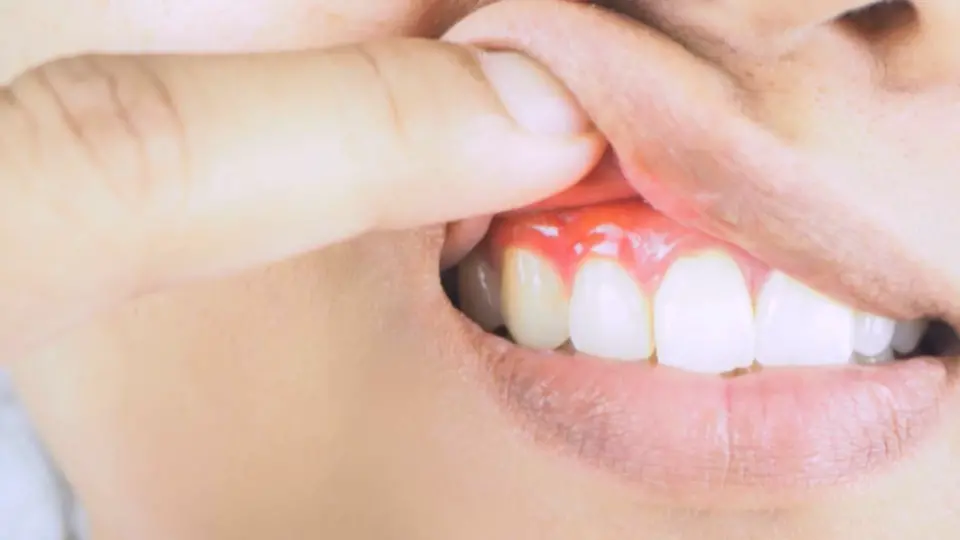
- An extraction site that appears empty or shows exposed bone.
Patients should not attempt to diagnose dry socket from appearance alone.
A healing socket can look unfamiliar without being abnormal.
Why Pain Timing Matters
A person may feel reasonably comfortable immediately after surgery because local anesthesia is still working.
Some soreness after the anesthetic wears off is expected.
However, a marked increase in pain after initial improvement deserves attention.
Can Dry Socket Cause Swelling?
Some discomfort and inflammation may occur.
However, increasing facial swelling, fever, pus, or other systemic symptoms may suggest an infection or another complication.
These should be assessed promptly.
When to Call the Dentist
If pain is severe, persistent, or worsening, patients should contact their dental provider rather than waiting several more days.
Professional evaluation can determine whether dry socket or another problem is responsible.
Why Some Patients Have a Higher Risk of Dry Socket
Even when two patients receive similar extractions, their recovery experiences may differ.
Several factors influence risk.
Surgical Complexity
An impacted lower wisdom tooth may involve more extensive treatment than a fully erupted tooth.
Certain surgical extractions have a higher dry socket risk.
Tobacco Use
Smoking is a well-established risk factor.
Avoiding tobacco during the recovery period is an important precaution.
Previous Dry Socket
Patients who previously experienced dry socket should inform their dentist before another extraction.
Their history may be relevant to treatment planning.
Certain Medications
Some studies suggest an association between estrogen-containing oral contraceptives and dry socket risk.
Patients should disclose medications during the medical history review.
However, prescribed medication should not be discontinued without appropriate medical guidance.
Existing Oral Health Conditions
Infection, inflammation, and other oral health problems may affect treatment planning and healing.
Postoperative Activity
Repeatedly disturbing the socket or ignoring recovery restrictions may increase avoidable risk.
Individual Biological Differences
Not every complication has one obvious cause.
Dry socket can occur even when a patient follows recommended care.
Understanding risk factors is useful, but they should not be treated as guarantees.
Five Dry Socket Myths That Need to Retire Immediately
Dry socket has developed a dramatic reputation online.
Some advice is helpful.
Other recommendations create unnecessary fear.
Myth #1: Any Pain Means Dry Socket
False.
Some discomfort is expected after extraction.
Dry socket is more concerning when pain becomes severe or worsens rather than gradually improving.
Myth #2: A Straw Causes Dry Socket Every Time
False.
Using a straw does not guarantee clot displacement.
However, avoiding suction during early recovery reduces an unnecessary risk.
Myth #3: Dry Socket Is Always an Infection
False.
Dry socket primarily involves clot disruption and local inflammation.
It is not the same condition as a typical bacterial infection.
Myth #4: Antibiotics Prevent Every Case
False.
Antibiotics are not routinely prescribed solely to prevent dry socket.
They may be appropriate for certain infections or other clinical indications.
Patients should follow the treating clinician’s recommendations.
Myth #5: Dry Socket Means Permanent Damage
False.
Although dry socket can be painful and delay healing, professional management can help relieve symptoms while the tissue continues to recover.
Patients should seek care rather than assume the extraction has permanently failed.
What Happens If Dry Socket Actually Develops?
Even with appropriate precautions, some patients experience dry socket.
Professional dental care can help manage the condition.
Step One: Examination
The dentist evaluates the extraction area and asks about the patient’s symptoms.
Additional testing may be needed if another complication is suspected.
Step Two: Gentle Cleaning
The dentist may gently irrigate the socket to remove debris.
Patients should not attempt to scrape or deeply flush the socket at home.
Step Three: Medicated Dressing
A dentist may place a medicated dressing into the socket to help relieve pain.
Depending on the situation, follow-up visits or dressing changes may be necessary.
Step Four: Pain Management
The clinician may recommend appropriate pain medication.
The choice depends on the patient’s medical history and clinical needs.
Step Five: Continued Healing
Dry socket does not mean the body has stopped healing.
Tissue recovery generally continues, although discomfort may last longer than expected.
What Patients Should Never Put in the Socket
Patients should avoid applying aspirin directly to the gums, household glue, alcohol, essential oils, or other unapproved substances.
These can injure sensitive tissues.
When dry socket is suspected, professional evaluation is the safest approach.
A 75070 Recovery Plan That Fits Real Life
McKinney residents have busy schedules.
Between commuting, work, school activities, grocery shopping, and family responsibilities, taking time for dental recovery can feel inconvenient.
However, a little planning can make the early recovery period easier.
Arrange a Ride When Necessary
Patients who receive certain sedation methods require a responsible adult to transport them home.
Transportation should be arranged before the appointment.
Prepare Meals Before Surgery
Having suitable soft foods available reduces the need to cook while uncomfortable.
Avoid Scheduling Major Events Immediately Afterward
A tooth extraction may require time away from sports, strenuous work, or other demanding activities.
Plan for Assistance
Patients undergoing more complicated surgery may need help with transportation or daily tasks.
Keep Aftercare Instructions Accessible
Written instructions can be useful when patients are tired or recovering from sedation.
Save the Dental Office’s Contact Information
Knowing whom to call if symptoms change helps avoid unnecessary delays.
For residents in McKinney’s 75070 area, careful planning is more useful than relying on assumptions about how quickly everyone should recover.
Wisdom Teeth vs. Regular Tooth Extractions: Is Dry Socket Risk Different?
Dry socket can occur after different types of tooth extractions.
However, certain wisdom tooth procedures may involve higher risk.
Fully Erupted Teeth
A straightforward extraction of a fully erupted tooth may involve relatively limited surgical treatment.
However, the procedure still requires appropriate aftercare.
Impacted Wisdom Teeth
An impacted wisdom tooth may be partly or completely trapped beneath gum tissue or bone.
Surgical removal can require additional steps.
Lower Wisdom Teeth
Dry socket is particularly associated with certain mandibular, or lower jaw, third-molar extractions.
However, not every lower wisdom tooth extraction results in the complication.
Why Aftercare Still Matters for Simple Extractions
Patients sometimes assume that a quick extraction requires no recovery precautions.
Even when the procedure is straightforward, the socket still needs a stable clot and appropriate healing conditions.
Does Every Wisdom Tooth Need Removal?
No.
Some wisdom teeth can remain in place with professional monitoring.
The decision depends on disease, symptoms, tooth position, and other clinical considerations.
A professional evaluation should determine whether extraction is appropriate.
When Pain Is No Longer a Wait-and-See Situation
A patient should not ignore significant pain simply because some soreness is expected after tooth removal.
Certain symptoms require prompt attention.
Contact the Dentist for:
- Severe pain that develops after the initial recovery period.
- Pain that continues worsening.
- A strong unpleasant taste with discomfort.
- Swelling that increases instead of improving.
- Persistent bleeding.
- Difficulty eating or drinking because of pain.
- Concerns about the extraction site.
Seek Emergency Medical Care for:
- Difficulty breathing.
- Difficulty swallowing.
- Rapidly spreading facial or neck swelling.
- Severe symptoms suggesting a serious infection.
- Bleeding that cannot be controlled.
These are not routine recovery symptoms.
Patients should seek appropriate care promptly.
The goal is to address complications early rather than wait for pain to become intolerable.
Tooth Extraction Care in McKinney: Why the Aftercare Conversation Matters
Tooth extraction care involves more than removing a damaged or problematic tooth.
Patients also need to understand how to protect the area afterward.
At Illume Dental of McKinney, Dr. Chen and the dental team provide tooth extraction services and individualized treatment planning.
The practice’s published extraction information emphasizes patient education, appropriate anesthesia, and postoperative care.
Evaluating Whether Extraction Is Necessary
Not every damaged tooth needs to be removed.
The dentist examines the tooth and considers whether restorative treatment may be appropriate.
Planning the Procedure
The extraction approach depends on the tooth’s location, condition, and surrounding anatomy.
Some more complex cases may require specialist referral.
Explaining Recovery Expectations
Patients should understand how to manage bleeding, choose suitable foods, and maintain oral hygiene.
Recognizing Complications
Clear aftercare guidance helps patients identify when discomfort may require further evaluation.
Supporting Oral Health After Healing
For certain missing teeth, replacement options such as dental implants or bridges may be considered.
However, not every extraction requires replacement.
The appropriate recommendation depends on the tooth, function, and individual needs.
Patients can explore Illume Dental’s Tooth Extraction Services and Tooth Extraction Buyer’s Guide for additional information.
FAQs About Dry Socket Prevention After Tooth Extraction
How can someone avoid dry socket after tooth extraction?
Patients can lower their risk by protecting the blood clot, following aftercare instructions, avoiding tobacco and straws during early healing, and avoiding forceful rinsing or spitting.
How long after extraction can dry socket occur?
Dry socket most commonly becomes noticeable within the first few days after extraction. New or worsening severe pain should be evaluated promptly.
Can someone get a dry socket without smoking?
Yes. Smoking increases risk, but dry socket can occur in nonsmokers as well.
Can saltwater rinses prevent dry socket?
Gentle saltwater rinses can help maintain cleanliness when used according to the dentist’s instructions. They do not guarantee prevention.
Is it normal to have pain three days after extraction?
Some soreness may still be present. However, severe pain that begins or worsens after initial improvement may indicate dry socket or another complication.
Is dry socket dangerous?
Dry sockets can cause significant pain and delayed healing. It is usually manageable with professional care, but symptoms should be evaluated to exclude other complications.
Does dry socket heal on its own?
Healing may continue over time, but the pain can be substantial. Dental treatment can provide relief and help manage the condition.
Can patients drink coffee after extraction?
Patients should avoid very hot drinks initially and follow their dentist’s instructions. Drinking directly from a cup is preferable to using a straw during the restricted period.
Can dry sockets happen after a simple extraction?
Yes. The complication is not limited to wisdom tooth surgery, although the risk varies by procedure and patient factors.
How does a dentist treat dry sockets?
Treatment may include examining and gently cleaning the socket, placing a medicated dressing, and recommending appropriate pain relief.
Keep the Clot, Skip the Nightmare: Recover With Illume Dental of McKinney
Dry socket may sound intimidating, but most tooth extractions heal without this painful complication.
Protecting the blood clot, following postoperative instructions, and recognizing warning signs can make recovery easier to manage.
At Illume Dental of McKinney, Dr. Chen and the dental team help patients understand what to expect before, during, and after tooth extraction.
The practice provides restorative dental care for patients throughout McKinney, TX 75070, and surrounding communities.
Whether a tooth requires removal because of extensive decay, fracture, or another dental concern, the team can evaluate the condition and explain appropriate treatment options.
Patients also receive guidance about eating, oral hygiene, medication, and activity during the recovery period.
Those wondering how to avoid dry socket after tooth extraction should remember that prevention focuses on reducing risk rather than eliminating every possibility.
If severe pain, increasing swelling, or another concerning symptom develops, contacting a dental professional promptly is important.
Illume Dental of McKinney encourages patients to ask questions about their treatment and recovery expectations before leaving the office.
This article is for general education and does not replace a dental exam or personalized advice. Treatment recommendations depend on your health history and a clinical evaluation. To discuss your situation, contact Illume Dental of McKinney to schedule a visit.