
Senior Dental Care in McKinney: Implants, Dentures & Medicare FAQs
Your dental needs don’t stay the same throughout life, and the changes that tend to show up in your 60s, 70s, and beyond are different from the concerns of your 20s and 30s. At Illume Dental, we work with a lot of patients in McKinney who are navigating these changes for the first time, and one of the most common things we hear is some version of, “I didn’t realize this was something that happens as you get older.” Here’s an honest look at what tends to change, and what your options look like.
Need Help Choosing the Right Senior Dental Care?
Get clear answers about implants, dentures, and treatment options in McKinney. Call today to schedule your consultation.
How Dental Needs Shift With Age
Dry Mouth From Medications
Many medications commonly prescribed for blood pressure, allergies, depression, and a variety of other conditions can reduce saliva production as a side effect. Saliva plays a bigger protective role than most people realize, helping to rinse away food particles and neutralize the acids that lead to decay, so when it decreases, the risk of cavities and gum irritation can increase along with it. If you’ve noticed your mouth feeling consistently dry, it’s worth mentioning to your dentist, since there are ways to help manage it.
Root Decay and Gum Recession
Gums naturally tend to recede somewhat with age, which can expose the root surfaces of your teeth. Root surfaces don’t have the same protective enamel that covers the crown of your tooth, which means they can be more vulnerable to decay once they’re exposed. This is one reason your dentist may recommend closer monitoring of certain teeth, or additional preventive steps, as gum recession becomes more noticeable over time.
Why Regular Checkups Matter More, Not Less
It’s a common misconception that dental visits become less important once all your adult teeth are established and any orthodontic work is long finished. In reality, the combination of dry mouth, gum recession, existing dental work that ages over time, and other health conditions that can affect your mouth all make regular checkups more important as you get older, not less. Your dentist is also often in a good position to notice early signs of other health issues that can show up in the mouth first.
Replacing Missing Teeth: Dentures and Implant-Supported Options
Tooth loss becomes more common with age, whether from long-term decay, gum disease, or simply years of wear on teeth and past dental work. The good news is that there are more ways to address it comfortably than there used to be.
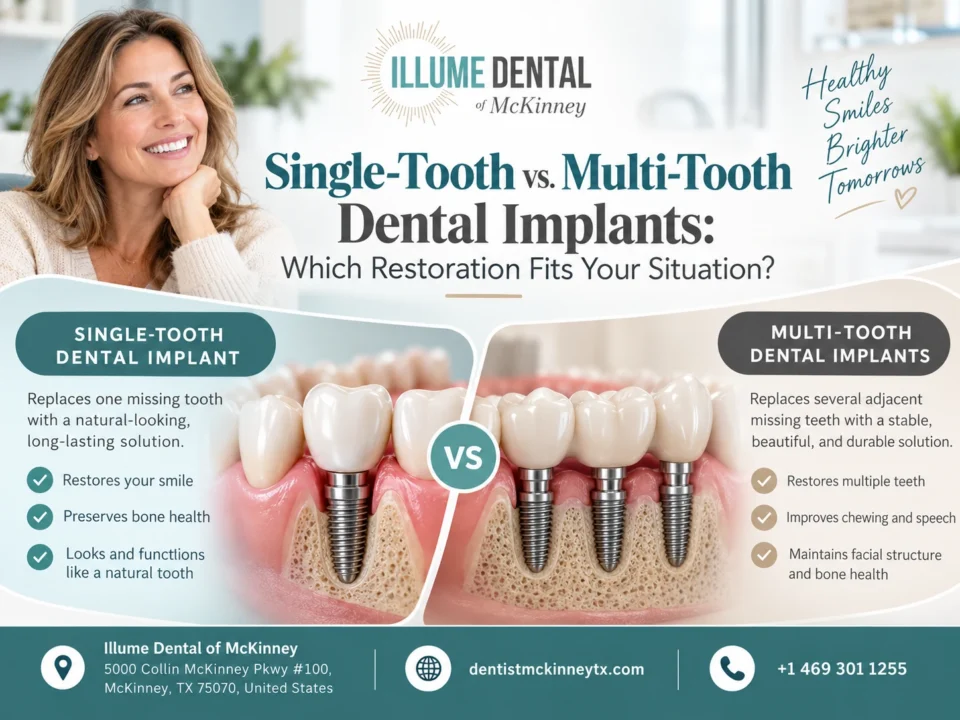
Traditional dentures remain a well-established, effective option for replacing some or all of your teeth, and modern denture materials and techniques have come a long way in terms of comfort and a natural appearance. For patients who want something that feels more securely anchored, implant-supported options use dental implants to hold a denture firmly in place, which can improve stability and confidence when eating or speaking compared to a removable denture alone. Your dentist can help you understand which approach fits your particular oral health, bone structure, and personal preferences, since not every patient is automatically a candidate for every option.
You can learn more about traditional denture options on our dentures page, and more about implant-based solutions on our dental implants page, including what a candidacy evaluation for implants generally involves.
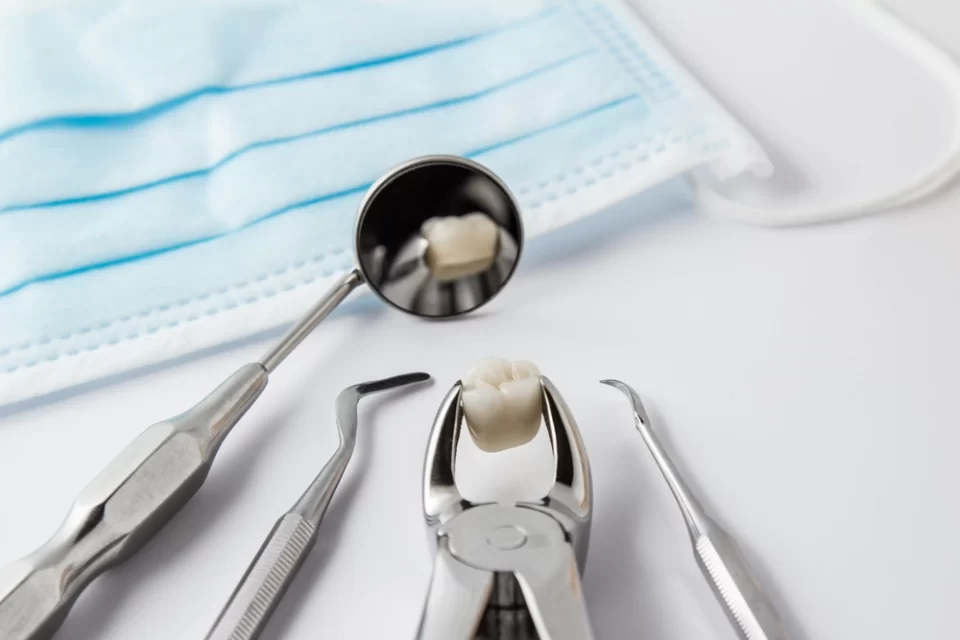
 After a tooth extraction, you should protect the blood clot, rest, eat soft foods, avoid straws and smoking, and follow…
Medicare and Dental Coverage: An Honest FAQ
Does Original Medicare cover routine dental care?
Generally speaking, standard Original Medicare (Parts A and B) does not cover routine dental care such as cleanings, exams, fillings, or dentures. There are some narrow exceptions related to dental care needed in connection with certain covered medical procedures, but for the great majority of everyday dental needs, Original Medicare simply isn’t designed to be a dental benefit.
What about Medicare Advantage plans?
Some Medicare Advantage plans do include a dental benefit as an add-on, and coverage can range from fairly basic preventive care to more comprehensive benefits, depending entirely on the specific plan. Because these benefits vary so widely from one plan and insurer to the next, we’re not able to tell you in general terms exactly what any particular plan covers.
What should I do to find out what my plan covers?
The most reliable path is to confirm your specific plan’s dental coverage directly with your plan or insurer before your visit, since benefits, networks, and covered procedures differ from plan to plan and can change from year to year. Our front desk team is happy to help however we can, but because we’re not able to give plan-specific insurance advice, we’d encourage you to reach out to your plan directly with any detailed coverage questions.
Are there other ways to budget for dental care without traditional dental insurance?
If your Medicare coverage doesn’t include a meaningful dental benefit, you’re not without options. Many patients handle out-of-pocket costs simply by budgeting for care as it comes up, and some choose an in-house membership plan through their dental office as a more predictable alternative to buying a separate stand-alone dental insurance policy. Our team is happy to talk through what that looks like at our practice if it would help.
Making Dental Care Manageable at Any Age
Whether or not your insurance includes dental benefits, we believe every patient deserves a clear, honest conversation about their options and what they cost, without pressure. Our team takes the time to explain what we’re seeing, why we’re recommending a particular treatment, and how it fits into your overall health, not just your smile.
If it’s been a while since your last checkup, or you’d like to talk through denture or implant options, call our McKinney office or request an appointment online. Our team is happy to answer your questions with patience and honesty.
Questions About Implants, Dentures or Medicare?
Speak with a dental professional about your options, costs, and coverage questions. Call today for personalized guidance.