
Oral Cancer Screenings: How Early Detection Could Save Your Smile and Life
A two-minute screening could save your smile and your life. Oral cancer often starts quietly, with a tiny spot or sore you barely notice. During a routine dental visit, your dentist checks your lips, cheeks, tongue, gums, palate, and throat, looking for color changes, lumps, or areas that do not heal. It is quick, painless, and costs far less than waiting.
Screenings matter for everyone, not just smokers. Alcohol use, HPV, past sun exposure on the lips, and even family history are among the oral cancer risk factors that can make regular examinations especially important. Call sooner if you notice a sore that lasts more than two weeks, a persistent hoarse voice, numbness, or trouble swallowing.
Early detection leads to simpler treatment, better outcomes, and a faster return to normal life. Add an oral cancer screening to your next checkup and leave with peace of mind. If you want to understand how early detection works, explore oral cancer screenings as part of your preventive care.
What are the early signs of oral cancer to watch for?
Early detection of oral cancer is crucial for successful treatment and preserving overall oral health. Being aware of potential warning signs can help you seek prompt evaluation from a dental professional. Here are the key early signs to watch for:
- Persistent Mouth Sores: Sores or ulcers in the mouth that do not heal within two weeks may be indicative of an underlying health issue.
- Unexplained Bleeding: Bleeding in the mouth without injury, especially from gums or tongue, should be evaluated.
- Lumps or Thickened Areas: Any unusual growths, lumps, or rough patches inside the mouth, on the lips, or under the tongue may be a sign of oral cancer.
- White or Red Patches: White (leukoplakia) or red (erythroplakia) patches on the gums, tongue, or lining of the mouth can signal early changes.
- Difficulty Chewing or Swallowing: Pain, discomfort, or a sensation of something being stuck in the throat or mouth may be indicative of oral issues.
- Numbness or Tingling: Unexplained numbness or loss of sensation in the mouth, lips, or tongue is a warning sign.
- Persistent Bad Breath: Chronic halitosis that does not respond to oral hygiene could be linked to underlying conditions.
- Changes in Voice or Speech: Hoarseness, slurred speech, or changes in the sound of your voice may indicate oral or throat involvement.
Regular dental checkups, including oral cancer screenings, are crucial for detecting these early signs and seeking timely treatment. You can also learn more about warning signs by reading oral cancer screenings: how early detection could save your smile and life.
How often should you get an oral cancer screening?
It is generally recommended to get an oral cancer screening at least once a year during your routine dental checkup. Many dentists perform a thorough examination of the mouth, lips, tongue, gums, and throat as part of regular preventive care under general dentistry services.
Key considerations for screening frequency:
- High-Risk Individuals: People who smoke, use tobacco, consume alcohol heavily, or have a family history of oral cancer may need screenings more frequently, as advised by their dentist.
- Early Detection Importance: Annual screenings help detect precancerous changes or early-stage oral cancer, when treatment is most effective.
During routine visits, most general dentists include an oral cancer screening as part of your biannual or annual dental exam, ensuring consistent monitoring without the need for extra appointments.
By following this schedule, you can catch potential issues early, increasing the chances of successful treatment and maintaining both oral and overall health.
What happens during an oral cancer screening at the dentist?
During an oral cancer screening at the dentist, a series of thorough checks is performed to detect early signs of cancer or precancerous conditions in the mouth, tongue, gums, and throat. Here’s what typically happens:
- Medical and Dental History Review: The dentist will ask about your personal and family medical history, lifestyle habits (like smoking or alcohol use), and any symptoms you may have noticed.
- Visual Examination: The dentist carefully inspects the lips, cheeks, gums, tongue, roof, and floor of the mouth, as well as the throat, for unusual spots or lesions.
- Palpation: The dentist gently feels the neck, jaw, and oral tissues to detect lumps or abnormalities beneath the surface.
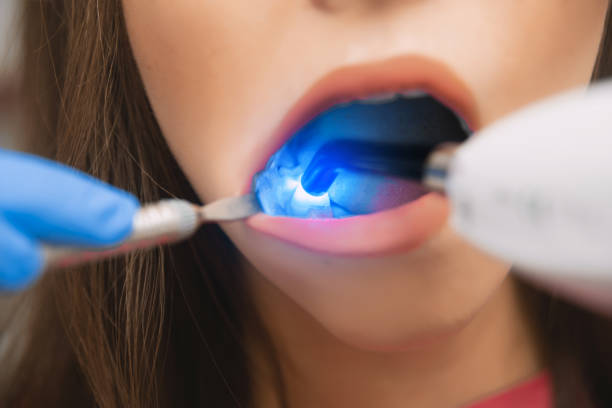
- Use of Special Tools or Lights: Some offices utilize adjunctive technologies to highlight abnormal tissues and enhance detection.
- Discussion and Recommendations: If any suspicious areas are found, next steps may include a biopsy, referral, or monitoring.
- Education and Prevention Tips: Patients receive guidance on self-exams and lifestyle changes to reduce risk.
An oral cancer screening is quick, painless, and plays a critical role in early detection, significantly improving treatment outcomes and preserving oral health.
Can oral cancer be detected without symptoms?
Yes, oral cancer can often be detected without obvious symptoms, which is why regular dental screenings are critical. Many early-stage cases do not cause pain or noticeable changes, allowing the disease to progress silently. Dentists are trained to identify subtle signs that might go unnoticed by patients.
Here’s how oral cancer can be detected even without symptoms:
- Visual Examination: Dentists look for abnormal color changes or growths that may not be obvious.
- Palpation: Feeling the jaw and neck helps detect hidden lumps or swelling.
- Risk Factor Assessment: Habits like tobacco use or heavy alcohol consumption prompt closer evaluation.
- Regular Checkups: Routine visits increase the likelihood of catching early changes.
- Early Intervention: Detecting cancer before symptoms appear improves outcomes and reduces invasive treatments.
For more insight into why regular exams matter, check out recognizing the importance of regular dental checkups.
Protect Your Health: Schedule an Oral Cancer Screening Today!
At Illume Dental of McKinney, our skilled dental team provides thorough examinations to detect early signs of oral cancer, often before symptoms appear. Early detection significantly increases treatment success, helping preserve oral function and overall well-being.
During your screening, we check for unusual sores, lumps, color changes, and other warning signs, ensuring any concerns are addressed promptly. Regular screenings, combined with routine dental care, are a proactive step toward long-term oral and general health. Learn more or get directions by visiting Illume Dental of McKinney and schedule your oral cancer screening today.