5 Signs Your Toddler Needs Their First Dental Visit in McKinney (The Age 1 Rule)
When should a toddler visit the dentist for the first time? The American Academy of Pediatric Dentistry recommends scheduling the first dental appointment when the first tooth appears or no later than the child’s first birthday. That means parents should not wait until their toddler has a complete set of baby teeth, develops a cavity, or complains about tooth pain.
For families considering a first dental visit for toddlers in McKinney TX, the appointment is an opportunity to check early tooth development, identify potential concerns, and learn practical ways to protect a growing smile. At Illume Dental of McKinney, Dr. Chen and the dental team provide child-friendly dental care designed to help families establish healthy oral hygiene habits from an early age.
And although a toddler may have strong opinions about wearing shoes, sharing toys, or eating broccoli, their first dental appointment can be surprisingly simple.
Tiny Teeth, Big Responsibilities: Why the First Dental Visit Matters
A baby’s first tooth is an exciting milestone.
Parents photograph it, celebrate it, and sometimes announce its arrival to the entire family.
But that tiny white tooth comes with an important responsibility: protecting it from decay.
Many parents assume dental appointments are unnecessary until a child has several teeth.
Others believe primary teeth do not need much attention because permanent teeth eventually replace them.
Unfortunately, both assumptions can delay useful preventive care.
Baby Teeth Have Important Jobs
Primary teeth help children:
- Bite and chew food.
- Develop certain speech sounds.
- Maintain space for permanent teeth.
- Support normal oral development.
- Eat and interact comfortably.
Although baby teeth eventually fall out, some remain in place until approximately ages 10 to 12.
That makes them an important part of childhood development.
Cavities Can Begin Earlier Than Expected
Tooth decay can develop as soon as teeth appear.
Early childhood cavities may progress without causing obvious pain.
A toddler who seems comfortable can still have an area of decay that deserves attention.
The First Visit Is About Prevention
An early dental appointment is not necessarily about fillings, X-rays, or complex procedures.
For many young children, the visit focuses on a brief oral examination and parent education.
The dentist may discuss brushing, fluoride, feeding habits, teething, and normal development.
The goal is to establish appropriate care before avoidable problems become more complicated.
What Is the Age 1 Rule in Pediatric Dentistry?
The Age 1 Rule is a widely recognized recommendation for children’s first dental examination.
The American Academy of Pediatric Dentistry, American Dental Association, and American Academy of Pediatrics support establishing dental care when the first tooth erupts and no later than age one.
Why So Early?
The first year is when many babies begin developing visible teeth.
Once enamel is exposed in the mouth, it can be affected by bacterial plaque and dietary acids.
An early examination helps parents understand how to protect the new teeth.
What If the First Tooth Appears Before Six Months?
Tooth eruption varies.
If a tooth appears unusually early, parents can discuss scheduling an examination with a dentist comfortable treating infants.
What If the Baby Has No Teeth by the First Birthday?
Parents should still arrange an appropriate dental assessment.
Although eruption timing varies, the dentist can evaluate oral development and determine whether additional follow-up is needed.
What If the Child Is Already Two or Three?
There is no reason to feel embarrassed about scheduling the first visit later than recommended.
The useful next step is simply arranging an appointment.
The dentist can examine the child’s current oral health and recommend appropriate care.
Is the Age 1 Rule a Legal Requirement?
No.
It is a professional preventive recommendation, not a law requiring parents to schedule an appointment by a specific birthday.
Its purpose is to reduce the risk of delayed dental care and establish a regular source of oral health guidance.
Sign #1: That First Little Tooth Has Finally Made Its Debut
The first sign that a baby is ready for a dental visit is also the most straightforward.
The first tooth has appeared.
For many babies, this happens around six months of age.
However, some develop teeth earlier or later.
Why One Tooth Is Enough
A baby does not need a full smile to benefit from dental care.
Once a tooth erupts, it is exposed to saliva, bacteria, and the foods or liquids entering the mouth.
That tooth needs cleaning just like the teeth that arrive later.
What Can a Dentist Check?
During an early examination, the dentist may evaluate:
- The erupted tooth.
- Surrounding gums.
- Tooth shape and appearance.
- Early signs of enamel changes.
- Oral growth and development.
- Relevant feeding and cleaning habits.
The examination is adapted to the child’s age and ability to cooperate.
Do Babies Need Dental X-Rays?
Not routinely.
Dental X-rays are recommended according to clinical findings and individual risk, rather than automatically taken at the first visit.
Most babies do not need imaging during an uncomplicated introductory examination.
What Parents Can Do at Home
Begin brushing as soon as the first tooth appears.
Use a small, soft-bristled toothbrush and a smear of fluoride toothpaste approximately the size of a grain of rice for children younger than three.
Brush gently twice daily.
Parents should perform the brushing because infants and toddlers cannot clean their own teeth effectively.
The Takeaway
A visible tooth is a reason to schedule an initial examination, even when there are no signs of a dental problem.
Sign #2: The First Birthday Has Arrived, but the Dentist Is Still a Stranger
A first birthday means cake, decorations, family photos, and possibly a toddler who is more interested in the wrapping paper than the gifts.
It also marks the recommended deadline for establishing dental care.
For parents researching a first dental visit for toddlers in McKinney TX, reaching the first birthday without a dental appointment is a good reason to make one.
Why Parents Sometimes Wait
Families may assume:
- The child is too young.
- There are too few teeth to examine.
- The visit will be frightening.
- A dentist cannot do much for a baby.
- There is no reason to schedule care without pain.
However, early dental care is largely preventive.
What Makes the Appointment Useful?
The dentist can answer questions that often arise during the first year.
For example:
How much toothpaste should be used?
Should a toddler drink juice?
When does flossing become necessary?
What happens if teeth appear crowded?
Are pacifier and thumb-sucking habits a concern?
These questions may seem small, but the answers can help families develop appropriate daily routines.
Establishing a Dental Home
A dental home is an ongoing relationship with a dental professional who provides appropriate, continuous oral health care.
Establishing one early makes it easier to seek advice if a child develops pain, experiences dental trauma, or needs additional evaluation.
What If the Toddler Cries?
Crying during a first dental visit is common.
Many toddlers become upset during unfamiliar experiences.
It does not necessarily mean the appointment is harmful or unsuccessful.
A child-friendly dental team can adapt the examination to the patient’s developmental stage.
The Takeaway
If a child is approaching or has passed their first birthday without seeing a dentist, scheduling an introductory visit is appropriate even when the teeth appear healthy.
Sign #3: White Spots, Brown Marks, or Unusual Tooth Changes Appear
Parents often look for obvious holes when checking for cavities.
However, early tooth decay may not look like the dark cavities shown in cartoons.
Some enamel changes appear as white or chalky areas.
Others may develop yellow, brown, or dark discoloration.
Why White Spots Matter
Certain white, chalky areas can indicate enamel demineralization.
This occurs when acids contribute to the loss of minerals from the tooth surface.
Early lesions may not cause pain.
However, not every white spot is a cavity.
Developmental enamel differences and other conditions can also affect tooth appearance.
Brown Spots Are Not Always Decay
Some discoloration may result from staining, enamel defects, or other causes.
A dentist can examine the affected area and determine whether further treatment or monitoring is appropriate.
Where Can Early Cavities Develop?
Early childhood decay may affect upper front teeth and other surfaces.
The pattern depends on multiple factors, including feeding habits, plaque control, fluoride exposure, and individual susceptibility.
Why Waiting Can Create Problems
When early enamel changes progress, a cavity may form.
Once substantial tooth structure has been lost, a filling or another restoration may be necessary.
In selected cases, very early enamel lesions may be managed through fluoride and other preventive measures.
What Should Parents Avoid?
Do not attempt to scrape away suspicious spots or use abrasive household products.
Parents should also avoid assuming that discoloration will disappear when the baby tooth eventually falls out.
The Takeaway
Unusual tooth discoloration deserves professional assessment, particularly when it persists or changes.
The earlier the concern is evaluated, the more information the dentist has about appropriate care.
Sign #4: Eating, Drinking, or Brushing Has Become a Daily Battle
Toddlers are famous for changing their minds.
A favorite food on Monday may become completely unacceptable by Wednesday.
That alone is not a dental emergency.
However, certain eating or brushing behaviors can suggest oral discomfort.
Refusing to Chew on One Side
A toddler who consistently avoids chewing on one side may be experiencing tooth or gum discomfort.
However, young children can also have feeding difficulties for unrelated reasons.
An examination can help identify whether a dental concern is present.
Crying When a Particular Tooth Is Brushed
Some children resist brushing because they dislike the sensation or want more control.
Others may react because an area is sore.
Parents should look for patterns rather than assuming every brushing protest means a cavity.
Sensitivity to Food or Drinks
Toddlers may not be able to explain temperature sensitivity clearly.
They might pull away from cold foods or show discomfort when eating.
These behaviors deserve attention if they persist.
Swollen Gums
Teething may cause temporary discomfort around erupting teeth.
However, significant swelling, pus, persistent pain, or other concerning changes should not automatically be attributed to teething.
What About Fever?
A true fever should not be dismissed as a normal consequence of teething.
The American Academy of Pediatrics advises parents to consider other causes when a child has a significant fever or appears unwell.
A pediatrician should assess systemic symptoms.
When Is Urgent Care Necessary?
Facial swelling, severe pain, or suspected dental infection requires prompt professional evaluation.
Difficulty breathing or swallowing, or rapidly spreading facial or neck swelling, requires emergency medical care.
The Takeaway
Not every fussy meal or toothbrushing struggle indicates a dental problem.
However, persistent discomfort or visible changes should prompt an examination.
Sign #5: Bottles, Sippy Cups, and Snacks Have Become an All-Day Routine
One of the most useful reasons for a toddler’s first dental visit involves habits rather than symptoms.
Parents may not realize how feeding patterns influence cavity risk.
Why Frequency Matters
Bacteria in dental plaque use fermentable carbohydrates from foods and drinks.
The resulting acids can remove minerals from tooth enamel.
Frequent exposure gives teeth less opportunity to recover between acid challenges.
The Bedtime Bottle Concern
Putting a child to bed with a bottle containing milk, formula, juice, or other sugary liquids can increase cavity risk.
During sleep, saliva production naturally decreases.
Liquids may remain in contact with teeth for longer periods.
Parents should follow pediatric feeding guidance and avoid allowing sugary liquids to pool around a sleeping child’s teeth.
What About Sippy Cups?
Sippy cups are convenient, especially during busy family routines.
However, allowing a child to sip juice or sweetened beverages continuously throughout the day can create repeated sugar exposure.
Plain water is generally the better option between meals.
Does Fruit Juice Count?
Yes.
Fruit juice contains naturally occurring sugars and can be acidic.
The American Academy of Pediatrics recommends avoiding juice entirely for children younger than 12 months unless medically indicated.
For older toddlers, juice should be limited according to pediatric guidance.
Whole fruit is generally preferable.
What About Frequent Snacks?
Crackers, fruit snacks, cookies, and other carbohydrate-containing foods can contribute to cavity risk when eaten frequently.
Parents do not need to eliminate all snacks.
Instead, they can focus on age-appropriate nutritious foods and avoid continuous grazing.
Why the Dentist Can Help
During the first dental visit for toddlers in McKinney TX, parents can discuss feeding habits without judgment.
The dentist may help identify patterns that increase cavity risk and recommend practical adjustments.
The Takeaway
If a toddler frequently drinks sweetened beverages, falls asleep with a bottle, or snacks throughout the day, a dental consultation can provide useful preventive guidance even before problems appear.
The Five Signs at a Glance: What McKinney Parents Should Watch For
| Sign | Why it matters | Recommended next step |
| First tooth appears | Teeth become susceptible to decay once they erupt | Schedule the first dental examination |
| Child reaches age one | Professional guidelines recommend establishing dental care by the first birthday | Arrange an introductory visit |
| White spots or discoloration | Changes may indicate decay or other enamel conditions | Request a dental evaluation |
| Persistent eating or brushing discomfort | Pain or irritation may affect daily routines | Have symptoms assessed |
| Frequent bottle, cup, or snacking exposure | Repeated sugar exposure may increase cavity risk | Review feeding and cleaning habits with the dentist |
These are reasons to consider dental evaluation, not a diagnostic checklist.
A child does not need to show all five signs.
In fact, the Age 1 Rule means that an apparently healthy child should already have an established dental relationship.
What Actually Happens During a Toddler’s First Dental Appointment?
Parents sometimes imagine an adult-style dental cleaning with a reclining chair, bright overhead light, and a long list of instruments.
A toddler’s first visit usually looks quite different.
A Conversation With the Parent
The dental team may begin by discussing medical history, feeding habits, brushing routines, and any concerns.
Parents can mention teething, thumb sucking, pacifier use, or changes in tooth appearance.
A Brief Examination
The dentist examines the visible teeth and gums.
The goal is to assess oral development, identify possible decay, and evaluate relevant concerns.
A Knee-to-Knee Position
Some infant and toddler examinations use a knee-to-knee technique.
The parent and dentist sit facing one another with the child supported between them.
This position can allow the dentist to look inside the mouth while the parent remains close.
However, the examination method varies depending on the child’s age and needs.
Fluoride Recommendations
The dentist may discuss fluoride toothpaste and whether professional fluoride varnish is appropriate.
Fluoride helps reduce the risk of tooth decay by supporting enamel protection.
Brushing Demonstration
Parents may receive guidance on positioning the toothbrush, cleaning along the gumline, and using the recommended toothpaste amount.
No Automatic X-Rays
X-rays are not routinely necessary at every first toddler appointment.
They are recommended when the potential diagnostic benefit justifies their use.
Planning the Next Visit
The dentist may suggest a follow-up schedule based on the child’s cavity risk and development.
Many children benefit from approximately six-month intervals, although individual recommendations vary.
Will a Toddler Cry at the Dentist? Probably Maybe and That’s Okay
Toddlers have a talent for reacting dramatically to unfamiliar situations.
Sometimes that includes dental appointments.
A child may happily enter the office and then become upset when asked to open their mouth.
Another toddler may remain calm throughout the visit.
Both responses can be normal.
The First Visit Is a Learning Experience
An introductory appointment helps the child become familiar with the dental environment.
It also helps parents learn what dental care involves.
Familiar Objects Can Help
A favorite small toy or comfort item may make the visit easier.
Parents should check with the dental office about what to bring.
Parents Set the Tone
Using calm, positive language before the appointment can help.
Rather than describing the dentist as someone who might hurt or punish the child, parents can explain that the dentist looks at teeth and helps keep smiles healthy.
Avoid Promising an Entirely Perfect Visit
Telling a child that nothing unusual will happen may not be helpful if the examination feels unfamiliar.
Simple, realistic explanations are usually better.
Crying Does Not Equal Failure
A short examination can still provide useful clinical information even if the child cries.
The dental team should prioritize appropriate care and the child’s well-being.
The goal is not to make a one-year-old behave like a perfectly cooperative adult patient.
How Parents Can Prepare for the First Appointment
Preparation does not need to involve elaborate games, expensive toys, or a week of rehearsals.
A few simple steps can help make the visit smoother.
Choose a Good Time of Day
If possible, schedule the appointment when the child is usually rested and comfortable.
An appointment that conflicts with a regular nap may be more challenging.
Bring Relevant Health Information
Parents should be prepared to discuss medical conditions, medications, allergies, and previous dental concerns.
Explain the Visit Simply
For older toddlers, a short explanation may help.
Parents can say that the dentist will count their teeth and make sure they are growing properly.
Continue Normal Brushing
There is no need to introduce an entirely new oral hygiene routine the day before the appointment.
Parents should continue age-appropriate brushing.
Bring Questions
The first dental visit is an excellent time to ask about fluoride, teething, snacks, tooth eruption, and oral habits.
Avoid Using Dental Care as a Threat
Statements such as “If you don’t brush, the dentist will give you a shot” can create unnecessary fear.
Dental care should be presented as a normal part of maintaining health.
Brushing Tiny Teeth Without Turning Bedtime Into a Wrestling Match
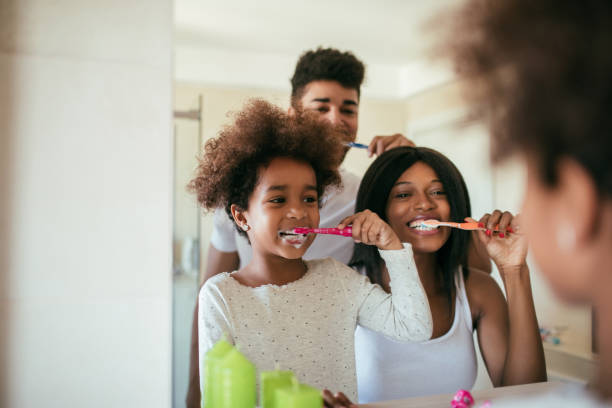
Getting a toddler to cooperate with brushing can be challenging.
Some toddlers insist on holding the toothbrush themselves.
Others treat bedtime brushing as the opening event in a dramatic negotiation.
The solution is usually consistency, patience, and adult assistance.
Brush Twice Daily
The American Dental Association recommends brushing children’s teeth twice daily with fluoride toothpaste.
Use the Correct Amount
For children younger than three, use a smear approximately the size of a grain of rice.
For ages three through six, use a pea-sized amount.
Parents should supervise brushing and help children spit out excess toothpaste as they become able.
Choose a Small, Soft Toothbrush
A child-sized soft-bristled toothbrush is generally appropriate.
It should fit comfortably inside the mouth.
Make Brushing Predictable
A consistent morning and bedtime routine helps children know what to expect.
Let the Child Participate
Allowing the toddler to hold the toothbrush for part of the routine may increase interest.
However, an adult should complete the cleaning because young children lack the coordination needed for effective brushing.
What About Flossing?
Flossing becomes important when two neighboring teeth touch and a toothbrush cannot adequately clean between them.
Parents generally need to perform this step for young children.
Keep Expectations Realistic
A toddler may not enjoy every brushing session.
The goal is effective cleaning and gradual cooperation, not a perfectly entertaining experience every night.
Teething vs. Tooth Decay: Why Parents Should Know the Difference
Teething and tooth decay can both involve oral discomfort, but they are different conditions.
What Is Normal Teething?
Teething refers to the eruption of teeth through the gums.
Children may experience mild gum tenderness, increased drooling, and an urge to chew on safe objects.
What Does Tooth Decay Look Like?
Tooth decay involves mineral loss and possible structural damage to a tooth.
Early changes may appear as white spots, while more advanced lesions may become discolored or cavitated.
Can Teething Cause a High Fever?
A significant fever should not automatically be attributed to teething.
Parents should contact a pediatrician when a child has a fever or appears unwell.
Does Every Toothache Mean a Cavity?
No.
Discomfort can have several causes, including trauma, gum irritation, and erupting teeth.
A dentist can evaluate persistent or concerning symptoms.
Why Early Visits Help
A dentist can explain which developmental changes are expected and which symptoms deserve further attention.
This can reduce uncertainty for parents navigating their child’s first few years.
Why Baby Teeth Deserve More Than a Temporary-Care Mindset
The phrase “They’ll fall out anyway” is one of the most common misconceptions about children’s dental health.
Baby teeth may be temporary, but their functions are important.
Chewing and Nutrition
Primary teeth help children process foods and eat comfortably.
Speech Development
The teeth contribute to the production of certain speech sounds.
However, speech development also depends on many other factors.
Space for Permanent Teeth
Primary teeth help maintain positions within the dental arches.
Premature loss of certain teeth may affect available space for permanent successors.
Comfort and Confidence
Painful cavities can affect eating, sleeping, and daily activities.
Preventing Complications
Untreated decay can sometimes lead to infection or premature tooth loss.
However, not every early enamel change requires a filling.
The appropriate treatment depends on the condition and extent of damage.
This is another reason the first dental visit for toddlers in McKinney TX matters.
It provides an opportunity to protect primary teeth before problems become more complicated.
Why the First Dental Visit Is Different From a Routine Adult Checkup
An adult dental examination may involve evaluating decades of restorations, gum changes, and tooth wear.
A toddler’s dental needs are very different.
Development Takes Center Stage
The dentist assesses emerging teeth and early oral growth.
Parents Receive Most of the Education
Young children cannot independently manage their oral health.
Parents and caregivers receive instructions about brushing, feeding, fluoride, and preventive habits.
Appointments Are Adapted to Attention Span
A toddler may not cooperate for long periods.
The dental team adjusts the examination according to age and behavior.
Risk Assessment Matters
The dentist considers factors such as previous decay, feeding habits, fluoride exposure, and home care.
The Goal Is Establishing a Relationship
Early visits can make dental care familiar before the child experiences a painful dental problem.
This is one of the practical benefits of establishing a dental home.
What If a Toddler Already Has a Cavity?
Parents sometimes worry that discovering a cavity means they have failed.
That kind of thinking rarely helps anyone.
Tooth decay develops through multiple interacting factors.
These include oral bacteria, dietary exposure, fluoride, saliva, and individual susceptibility.
The First Step Is an Examination
A dentist can assess the tooth and determine whether the change represents early mineral loss or a cavity requiring treatment.
Not Every Early Spot Needs Drilling
Some noncavitated enamel lesions may be managed with fluoride and other preventive measures.
More Advanced Decay May Need Restoration
A tooth with structural damage may require a filling or another treatment.
The recommendation depends on the child’s condition and the tooth involved.
Severe Symptoms Need Prompt Attention
Persistent pain, swelling, or suspected infection should not wait for a routine appointment.
Parents Can Make Changes Going Forward
Daily brushing, appropriate fluoride use, and thoughtful feeding habits can reduce future risk.
The focus should remain on protecting the child’s teeth rather than assigning blame.
How Often Should McKinney Toddlers Return to the Dentist?
Many children benefit from dental checkups approximately every six months.
However, the ideal interval varies.
A child with elevated cavity risk may need closer monitoring.
Another child with healthy teeth and low risk may follow a different schedule based on the dentist’s recommendation.
Why Follow-Up Matters
Toddlers experience rapid changes in tooth eruption and oral development.
Regular visits allow dentists to monitor those changes.
Preventive Treatments May Be Recommended
Depending on age and risk, professional fluoride varnish or other preventive measures may be appropriate.
Brushing Habits Can Be Adjusted
As additional teeth emerge, parents may need to adapt their brushing and flossing routines.
Feeding Habits Change
The transition from bottles to cups and from soft foods to family meals creates new opportunities for oral health guidance.
Regular appointments allow recommendations to evolve alongside the child.
A McKinney Parent’s First-Visit Checklist
Before booking a first dental visit for toddlers in McKinney TX, parents can review a few basic details.
- Has the first tooth erupted?
- Is the child approaching or past the first birthday?
- Are there white spots, dark spots, or other unusual tooth changes?
- Does the toddler experience persistent discomfort while eating or brushing?
- Are sugary drinks or frequent snacks part of the daily routine?
- Are there questions about fluoride, teething, pacifiers, or thumb sucking?
- Has the family established a dental office they can contact for ongoing care?
Parents do not need to identify a problem before scheduling.
The first two questions alone reflect the recommended timing for initial dental care.
For a family with a healthy one-year-old, the first visit can be a straightforward preventive appointment.
For a toddler experiencing symptoms, the dentist may recommend further evaluation or treatment.
Five Common Questions About the Age 1 Rule
Does a baby really need a dentist at 12 months?
Yes. Professional guidelines recommend the first dental visit when the first tooth appears or no later than the first birthday, even when the teeth look healthy.
What if a toddler has only two teeth?
A visit is still appropriate. The dentist can examine the visible teeth and gums and discuss brushing, fluoride, feeding habits, and development.
Is the first dental visit painful?
An uncomplicated first examination is generally brief and noninvasive. A toddler may feel uncomfortable with the unfamiliar experience, but complex treatment is not automatically part of the visit.
Will the dentist take X-rays at the first appointment?
Not necessarily. Dental X-rays are based on clinical findings and individual risk. Routine imaging is not automatically necessary for every toddler.
What if a three-year-old has never been to the dentist?
Parents should schedule an appointment. The dentist can assess the child’s current oral health and recommend appropriate preventive care.
Do toddlers need professional teeth cleaning?
The need and approach depend on the child’s age, oral hygiene, cooperation, and clinical findings. An early dental visit may focus primarily on examination and parent education.
Can parents bring a favorite toy?
Often, a small comfort item can help a child feel more relaxed. Parents can contact the dental office to confirm what is appropriate to bring.
Should parents wait until their toddler can sit still?
No. Dental professionals experienced with young children can adapt examinations to developmental needs. Waiting for perfect cooperation is not a reason to postpone recommended care.
McKinney’s Littlest Smiles Have a Place at Illume Dental
For families across McKinney, Allen, Frisco, and nearby communities, finding a dental office that welcomes young children can make preventive care more accessible.
At Illume Dental of McKinney, Dr. Chen and the dental team provide pediatric dental services with an emphasis on age-appropriate examinations, oral health education, and individualized recommendations.
The practice describes a warm, welcoming environment and a conservative approach to recommending treatment.
Introducing Children to Dental Care
An early visit helps families become familiar with the dental office.
The team can explain the examination process and answer parent questions.
Monitoring Developing Teeth
The dentist evaluates visible teeth and gums and considers whether development appears appropriate.
Supporting Healthy Home Care
Parents can discuss brushing techniques, fluoride use, and the transition to different foods and beverages.
Identifying Problems Early
If the dentist observes unusual enamel changes or other concerns, additional assessment or treatment may be recommended.
Building a Comfortable Routine
The goal is to help children develop familiarity with dental visits as they grow.
Parents can learn more through Illume Dental’s Pediatric Dentistry Services and New Patient Information.
For families scheduling a toddler’s first appointment, contacting the office beforehand can help clarify age-specific arrangements and what to expect.
Before the Birthday Candles Are Blown Out, Make Room for a Dental Checkup
A toddler’s first year is filled with unforgettable milestones.
There is the first smile, the first tooth, the first attempt to walk, and the first birthday celebration.
A first dental visit deserves a place on that list.
For parents considering a first dental visit for toddlers in McKinney TX, the recommendation is straightforward: schedule the appointment when the first tooth erupts or by the child’s first birthday.
At Illume Dental of McKinney, Dr. Chen and the dental team provide dental care for children and help families understand the importance of early prevention.
The practice offers pediatric examinations and guidance to support healthy brushing, appropriate fluoride use, and normal dental development.
Whether a toddler has one tooth, several teeth, or a mouthful of developing baby teeth, an initial examination can help establish a foundation for future care.
Parents can also discuss concerns about tooth discoloration, feeding habits, teething, or resistance to brushing.
The goal is not to turn a one-year-old’s appointment into an intimidating medical event.
It is to provide clear information, identify concerns when present, and help families develop healthy routines.
Even when a toddler’s teeth look perfectly healthy, an early dental visit can provide useful preventive guidance.
This article is for general education and does not replace a dental exam or personalized advice. Treatment recommendations depend on your health history and a clinical evaluation. To discuss your situation, contact Illume Dental of McKinney to schedule a visit.