
Why Dental Crowns are Becoming the New Standard in Preventing Future Oral Problems
If you’ve had a big filling, a cracked tooth, or a root canal, your tooth is more fragile than it looks. That’s where crowns come in. Instead of waiting for teeth to chip, break, or become painful again, more dentists are using crowns early to protect what’s left.
A crown covers the whole tooth, helping you bite, chew, and smile without worrying it will give out on you. It’s not just a fix, it’s a long-term shield. By choosing a crown now, you’re often avoiding bigger problems later, like extractions, implants, or more expensive treatments down the road.
How Dental Crowns Help Stop Future Oral Problems
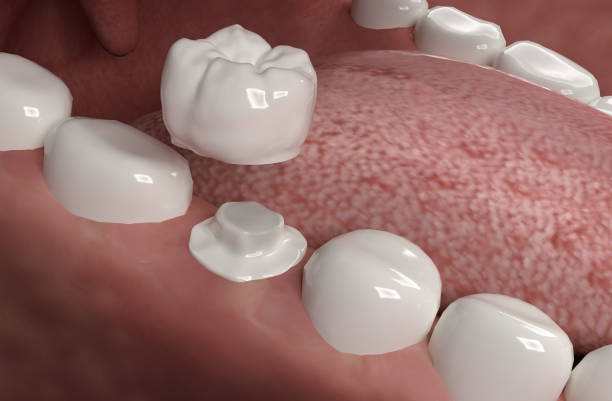
A dental crown covers the entire surface of a tooth, creating a durable barrier that shields it from stress, bacteria, and structural breakdown. When a tooth is weakened—whether by decay, cracks, grinding, or large fillings—it becomes more vulnerable to future problems. Crowns act as reinforcement, allowing the tooth to function safely without risking further damage.
Crowns help prevent future oral issues by:
- Sealing the tooth completely, blocking new bacteria from entering
- Strengthening weakened tooth structure, preventing cracks from spreading
- Protecting teeth affected by grinding, which wears enamel down quickly
- Restoring biting force, reducing strain on surrounding teeth
- Preventing fractures, especially in teeth with large or old fillings
When a tooth is only partially restored with a filling, the remaining natural material bears all the biting pressure. Over time, this can lead to fractures or breakage. A crown distributes chewing force evenly across the tooth, reducing the risk of future emergencies.
Crowns also help stop decay from returning to vulnerable spots. Teeth with deep fillings or root canals are particularly at risk, and without coverage, they may deteriorate again. Crowns provide a long-lasting barrier against this type of recurrence.
What Makes Dental Crowns a Reliable Option for Long-Term Tooth Protection
Crowns are crafted to withstand daily chewing, temperature changes, grinding forces, and normal wear. Their durability makes them one of the most dependable restorative options in modern dentistry. Today’s materials—like porcelain, zirconia, and ceramic blends—are far more resilient and natural-looking than those used in the past.
Crowns are considered reliable for long-term protection because:
- Modern materials resist chipping and cracking better than traditional alternatives
- They mimic natural tooth structure, ensuring comfortable chewing and stable alignment
- They last for many years, often a decade or more with proper care
- They protect teeth on all sides, unlike partial restorations
- They reduce sensitivity, shielding nerves from hot, cold, and pressure changes
Single-surface treatments—such as fillings or small repairs—are helpful but limited. They don’t reinforce the entire tooth. Crowns, on the other hand, create a complete protective shell that withstands the stress of everyday use.
Additionally, crowns help maintain proper bite alignment. Without them, teeth that are worn or fractured can cause imbalances that lead to jaw pain, shifting teeth, or uneven wear on nearby teeth. Crowns restore the original height and shape of the tooth, supporting healthier function throughout the mouth.
How Dental Crowns Prevent Further Damage to Weakened Teeth
Weakened teeth are at the highest risk for long-term issues. Whether the weakness comes from trauma, decay, large fillings, or enamel erosion, untreated compromise almost always leads to bigger problems over time. Dental crowns step in early to stop this progression.
Crowns prevent further tooth damage in several ways:
They Hold Cracked Teeth Together
When a crack begins, it often spreads deeper into the tooth with every bite. A crown stabilizes the structure, preventing the crack from worsening or splitting the tooth entirely.
They Replace Large, Old, or Failing Fillings
A large filling can actually weaken a tooth because it removes significant natural structure. Crowns restore strength and protect what remains.
They Reinforce Root-Canal-Treated Teeth
After a root canal, the tooth loses some of its internal strength. A crown helps prevent breakage, which is common without added protection.
They Restore Worn Teeth From Grinding or Clenching
Grinding wears enamel down rapidly. Crowns rebuild the surface and act as a barrier between strong jaw forces and weakened tooth structure.
They Prevent Sensitivity and Erosion
Exposed or fragile enamel often becomes sensitive. Crowns shield the tooth and prevent erosion from continuing.
They Reduce Infection Risk
By sealing the tooth completely, crowns keep bacteria from compromising vulnerable areas.
A crown is essentially a long-term insurance policy for a weakened tooth. It restores strength before a more serious problem—such as a fracture or infection—occurs.
Why More Dentists are Recommending Dental Crowns for Ongoing Oral Health
Dentists today are shifting their focus from reactive care to preventive restoration. Instead of waiting for a tooth to fail, many prefer to recommend crowns early enough to protect teeth before bigger issues develop. This approach saves time, money, and discomfort for patients in the long run.
More dentists recommend crowns for ongoing oral health because:
- They prevent costly emergency treatments, including root canals or extractions
- They allow patients to avoid more invasive procedures later
- They stabilize surrounding teeth, supporting overall bite function
- They protect compromised enamel, which does not regenerate
- They offer predictable, long-lasting outcomes
- They improve both the look and function of the smile, which enhances confidence
In the past, many patients believed crowns were only for severe damage. Now dentists recognize that early intervention helps keep teeth strong for decades. Modern dental philosophy emphasizes preservation, and crowns align perfectly with that approach.
Dentists also appreciate the versatility of crowns. They work for cracked teeth, discolored teeth, weakened teeth, worn teeth, and those affected by large fillings. Their ability to solve multiple problems with one treatment makes them a valuable tool in long-term oral care.
Protect Your Smile’s Future With Durable, Natural-Looking Crowns at Illume Dental of McKinney
A weakened tooth today can become tomorrow’s dental emergency—but the right crown can stop that cycle before it starts. At Illume Dental of McKinney, we specialize in creating strong, beautiful crowns that reinforce vulnerable teeth, prevent future problems, and restore long-lasting confidence.
Whether you’re dealing with fractures, worn enamel, large fillings, or recurring sensitivity, our team offers personalized care and advanced materials to protect your smile for years to come.
Schedule your appointment and learn how proactive crown treatment can secure your oral health and keep your smile thriving.