
What Causes Tooth Sensitivity and How Can a Dentist Help?
Tooth sensitivity is usually caused by exposed dentin, worn enamel, gum recession, cavities, cracked teeth, worn fillings, whitening products, or teeth grinding. A dentist can identify the sensitive teeth causes and recommend the right tooth sensitivity treatment based on whether the problem is mild, structural, or connected to decay or gum disease.
Sensitive teeth often feel like a quick, sharp pain when you eat or drink something cold, hot, sweet, or acidic. If the pain keeps returning, affects one tooth, or gets worse over time, it should be checked before the problem becomes harder to treat.
Why Do My Teeth Hurt When I Eat Cold or Hot Food?
Your teeth may hurt with cold or hot foods because the inner dentin layer is exposed or irritated. Dentin contains tiny channels that connect to the tooth’s nerve, so temperature changes can trigger a sharp sensation when enamel or gum protection is reduced.
Common sensitive teeth causes include:
- Worn enamel
- Gum recession
- Cavities
- Cracked teeth
- Worn fillings
- Gum disease
- Teeth grinding
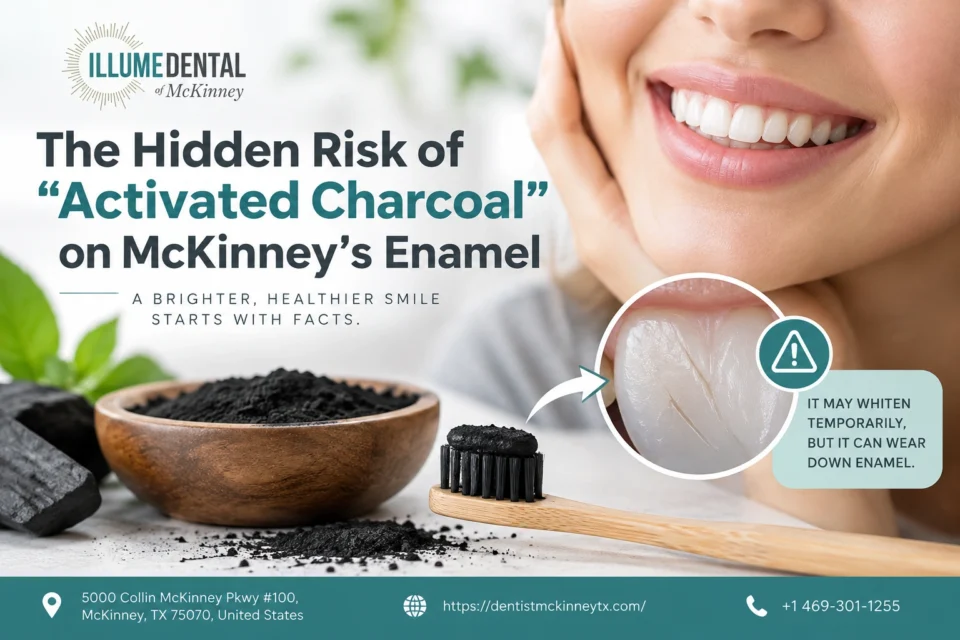
- Aggressive brushing
- Acidic foods and drinks
- Whitening products
- Recent dental work
The American Dental Association explains that sensitive teeth can be linked to tooth decay, cracked teeth, worn enamel, worn fillings, exposed roots, aggressive brushing, gum recession, and periodontal disease.
Why Cold Sensitivity Happens
Cold sensitivity is common when enamel is thin or roots are exposed. It may also happen after a cleaning, whitening treatment, or new dental restoration.
Short sensitivity that fades quickly may be mild. Sharp pain in one specific tooth should be checked.
Why Heat Sensitivity Matters
Heat sensitivity can sometimes point to deeper nerve irritation. If the tooth aches after hot drinks or throbs without a clear trigger, it may need prompt dental evaluation.
Hot and cold pain usually means the tooth’s nerve is being stimulated through exposed dentin, enamel wear, recession, decay, or a crack.
Is Tooth Sensitivity a Sign of a Cavity?
Yes, tooth sensitivity can be a sign of a cavity, especially if the pain is focused on one tooth or happens with sweets, cold drinks, or chewing. Sensitivity can also come from gum recession, enamel wear, cracked teeth, worn fillings, or whitening products.
A cavity weakens the enamel and allows irritation to move closer to the nerve. Early cavities may cause mild sensitivity. Deeper decay can cause stronger pain, lingering aches, or pressure discomfort.
Possible cavity-related signs include:
- Sensitivity in one tooth
- Pain with sweets
- Pain when biting
- Food getting stuck
- Dark spots or visible holes
- Rough tooth edges
- Sensitivity that worsens over time
Mayo Clinic notes that sensitive teeth may be caused by cavities, cracked or chipped teeth, worn fillings, gum disease, and whitening products, and a dentist can identify or rule out the cause.
When Sensitivity May Not Be a Cavity
Not all sensitivity means decay. If several teeth feel sensitive near the gumline, gum recession or enamel wear may be more likely.
If sensitivity started after whitening, dental work, or brushing too hard, the cause may be temporary irritation.
Why an Exam Matters
A dentist can check for decay, cracks, gum recession, bite issues, and failing dental work. X-rays may be needed if the problem is between teeth or under an old filling.
Sensitivity can be a cavity warning sign, but it is not the only possible cause. A dental exam is the safest way to know what is happening.
Can Sensitive Teeth Go Away on Their Own?
Mild tooth sensitivity can sometimes improve on its own if it comes from short-term irritation, recent dental work, or temporary whitening sensitivity. Sensitivity that lasts, worsens, or affects one tooth usually needs a dentist’s attention.
Some sensitivity may improve when you:
- Use a soft-bristled toothbrush
- Stop brushing aggressively
- Switch to sensitive toothpaste
- Avoid acidic drinks
- Pause whitening products
- Improve flossing habits
- Wear a nightguard if you grind
- Keep up with regular cleanings
Cleveland Clinic explains that mildly sensitive teeth may be managed with desensitizing toothpaste and good oral hygiene, but severe sensitivity caused by gum recession, cavities, or cracked teeth may require dental treatment.
When Sensitivity May Be Temporary
Sensitivity may be temporary after whitening, a cleaning, a filling, or minor gum irritation. This should gradually improve.
If the pain becomes stronger, more frequent, or more localized, it should be checked.
When Sensitivity Will Not Fix Itself
Sensitivity from a cavity, crack, exposed root, gum disease, or failing filling usually will not resolve without treatment. The source of the problem needs to be addressed.
Mild sensitivity may settle with better home care, but ongoing or worsening pain should not be ignored.
What Treatments Do Dentists Recommend for Sensitivity?
Dentists recommend tooth sensitivity treatment based on the cause. Treatment may include desensitizing toothpaste, fluoride, bonding, fillings, gum treatment, a nightguard, crown repair, or root canal therapy if the nerve is affected.
Common dentist-recommended options include:
- Desensitizing toothpaste
- Fluoride varnish or gel
- Prescription fluoride toothpaste
- Dental bonding for exposed roots
- Fillings for cavities
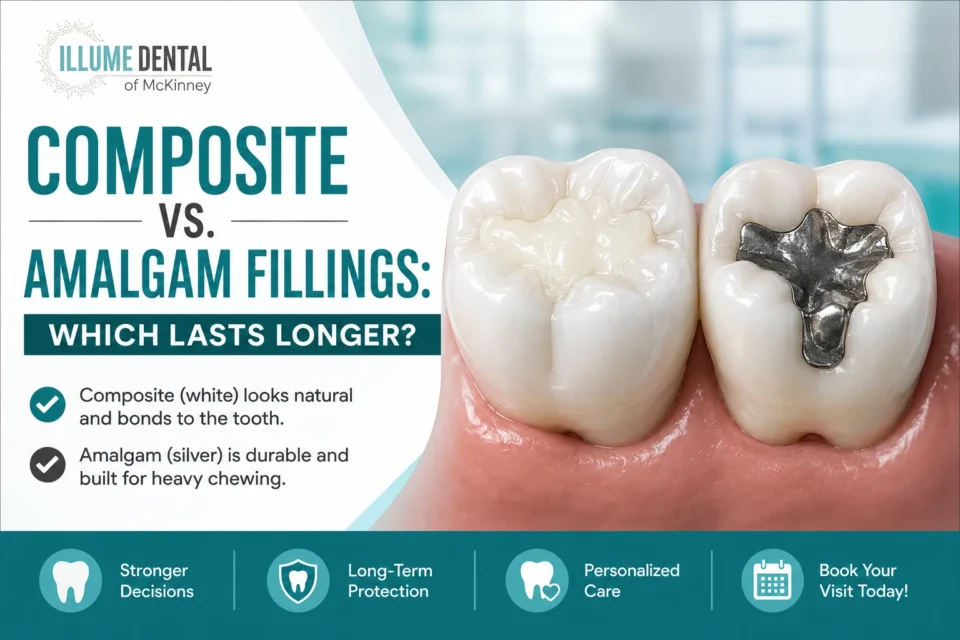
- Repair of worn fillings
- Gum disease treatment
- Gum grafting for severe recession
- Nightguard for grinding
- Root canal treatment for nerve damage
Mayo Clinic lists desensitizing toothpaste and mouthwash, fluoride, bonding or desensitizing treatment, gum grafting, and root canal treatment as options depending on the cause of sensitivity.
For Mild Sensitivity
A dentist may start with sensitive toothpaste, fluoride, and brushing changes. This can help when enamel wear or exposed dentin is mild.
You may need several weeks of consistent use before symptoms improve.
For Structural Problems
If sensitivity is caused by a cavity, crack, exposed root, or loose filling, home care is not enough. The tooth needs direct treatment. Understanding what to expect from dental filling care can also help patients feel more prepared when a filling is recommended.
A dentist may restore the tooth with dental fillings, seal exposed areas, or recommend gum disease treatment if recession is involved.
The right tooth sensitivity treatment depends on the source of the pain. Treating the cause works better than masking symptoms.
Does Toothpaste Help With Tooth Sensitivity?
Yes, toothpaste can help with tooth sensitivity when the cause is mild exposed dentin, enamel wear, or gumline sensitivity. Desensitizing toothpaste works by helping block pain signals from the tooth surface to the nerve.
The ADA explains that desensitizing toothpaste contains compounds that help block sensation traveling from the tooth surface to the nerve and often needs several applications before sensitivity decreases.
Sensitive toothpaste may help with:
- Cold sensitivity
- Sweet sensitivity
- Gumline sensitivity
- Mild enamel wear
- Exposed dentin
- Post-whitening sensitivity
How to Use Sensitive Toothpaste
Use it twice daily with a soft-bristled toothbrush. Brush gently, especially near the gumline.
Some dentists may recommend placing a small amount directly on the sensitive area before bed.
What Toothpaste Cannot Fix
Toothpaste cannot repair a cavity, close a crack, treat gum disease, or replace a worn filling. If sensitivity is caused by a dental problem, toothpaste may only delay proper care.
Avoid abrasive whitening toothpaste if your teeth are already sensitive.
Sensitive toothpaste can help mild symptoms, but it is not a replacement for dental care when pain is persistent, localized, or getting worse.
When Should I See a Dentist for Sensitive Teeth?
You should see a dentist for sensitive teeth if the pain lasts more than a few days, affects one tooth, gets worse, or happens with biting, swelling, bleeding gums, or visible tooth damage. You should also schedule a visit if sensitivity keeps coming back after using sensitive toothpaste.
Call a dentist if you notice:
- Sharp pain in one tooth
- Pain when biting
- Sensitivity that lingers
- Swelling near the gums
- Bleeding gums
- Bad taste or odor
- A cracked or chipped tooth
- A loose filling or crown
- Pain after hot drinks
- Sensitivity that wakes you up
MouthHealthy explains that sensitive teeth can be treated, but the type of treatment depends on what is causing the sensitivity. Dentin may become sensitive when enamel or cementum protection is lost, allowing hot, cold, acidic, or sticky foods to reach nerves inside the tooth.
Why Early Care Matters
Early care can prevent a small issue from becoming a larger one. A small cavity, exposed root, or bite problem is usually easier to manage before it becomes severe.
Waiting can lead to deeper decay, stronger pain, or more involved treatment.
What the Dentist Will Check
A dentist may look for cavities, cracks, gum recession, worn enamel, failing restorations, bite pressure, grinding signs, and gum disease.
X-rays may be needed if the source is not visible during the exam.
See a dentist when sensitivity is persistent, painful, localized, or linked to other symptoms. Professional tooth sensitivity treatment in McKinney, TX can help protect the tooth and prevent the problem from getting worse.
Final Thoughts on Tooth Sensitivity
Tooth sensitivity is often your body’s way of signaling that something needs attention, whether it is worn enamel, gum recession, or early decay. While mild cases may improve with simple changes, persistent discomfort usually requires professional care to identify the cause and provide lasting relief.
Get Relief Before Sensitivity Gets Worse
Tooth sensitivity can come from enamel wear, exposed roots, cavities, gum disease, cracked teeth, whitening products, grinding, or worn fillings. The best tooth sensitivity treatment starts with finding the real cause, not guessing with products that may not match the problem.
At Ilume Dental of McKinney, we help patients understand their sensitive teeth causes and choose care that fits their teeth, gums, and comfort level. If you are looking for tooth sensitivity treatment in McKinney, TX, we can evaluate the problem, explain your options, and help you get back to eating and drinking with more confidence.