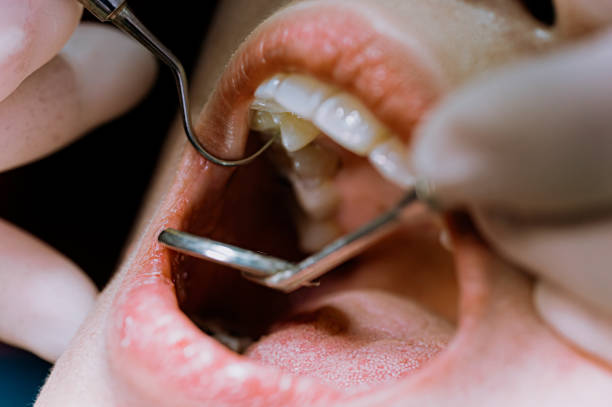

How Do You Know If You Have Bad Breath? Signs, Causes, and When to See a Dentist
Bad breath can be surprisingly difficult to detect on your own because people may become accustomed to their own odor. Asking someone you trust is often more useful than trying to smell your breath by cupping your hands over your mouth. A persistent unpleasant taste, dry mouth, a coated tongue, or bad breath that keeps returning despite good oral hygiene can also be clues, although none of these signs can identify the cause by themselves.
Most bad breath, also called halitosis, begins in the mouth. Common contributors include bacteria on the tongue and teeth, inadequate oral hygiene, gum disease, dry mouth, certain foods, tobacco use, and poorly cleaned dentures or oral appliances. Less commonly, conditions involving the nose, sinuses, throat, digestive system, or other areas of the body may contribute.
Bad Breath Won’t Go Away?
Don’t keep covering it up with mints. A dentist can check for gum disease, decay, or other possible causes.
Key Takeaways
- It can be difficult to accurately judge the smell of your own breath. Asking someone you trust can provide a more useful indication.
- Most cases of bad breath originate in the mouth.
- Persistent bad breath or a persistent bad taste can be a warning sign of gum disease.
- Dry mouth can contribute because saliva normally helps wash away food particles and other material in the mouth.
- Mouthwash may temporarily reduce or mask odor, but persistent bad breath requires attention to its underlying cause.
- If good oral hygiene does not improve persistent bad breath, a dental evaluation is appropriate.
How can you tell if you have bad breath?
The simplest method is often to ask a family member, partner, or trusted friend. Mayo Clinic specifically notes that people with bad breath may not realize they have it and recommends asking someone close to you for confirmation.
Trying to smell your breath by breathing into your hands is less dependable. Cleveland Clinic notes that this method can make it difficult to accurately judge your own breath.
Other possible clues include:
- A persistent unpleasant or unusual taste in the mouth
- A dry or sticky feeling in the mouth
- A visibly coated tongue
- Repeated comments from others about breath odor
- Bad breath that quickly returns despite regular brushing and cleaning between the teeth
- Bleeding, swollen, or receding gums along with persistent bad breath
- Food debris or plaque accumulating around teeth, dentures, retainers, or other dental appliances
These signs do not prove that someone has chronic halitosis or reveal its cause. For example, dry mouth increases the likelihood of bad breath but does not mean every person with dry mouth will have noticeable odor.
What causes persistent bad breath?
There is no single cause of halitosis. However, oral causes account for many cases.
Bacteria and oral hygiene
Hundreds of types of bacteria normally live in the mouth. Bacteria can break down food debris and other material, producing compounds that contribute to unpleasant odors. Plaque that remains on the teeth and bacteria accumulating on the tongue can also contribute.
Brushing the teeth twice daily, cleaning between the teeth every day, and cleaning the tongue can help control bacteria and food debris.
Gum disease
Persistent bad breath or a bad taste can be a sign of periodontal disease. Gum disease can create pockets between the teeth and gums where bacteria accumulate, particularly as the condition becomes more advanced.
Other possible warning signs include gums that bleed easily, redness, swelling, tenderness, gum recession, and loose or separating permanent teeth. Gum disease can also progress without significant pain, so the absence of pain does not rule it out.
Dry mouth
Saliva helps cleanse the mouth by washing away particles. When saliva production is reduced, odor-producing material can accumulate more easily.
Dry mouth may occur because of medications, salivary gland problems, certain health conditions, tobacco use, or habitual mouth breathing. Dry mouth also naturally occurs during sleep, which helps explain why temporary “morning breath” is common.
Foods and drinks
Garlic, onions, spices, coffee, and other foods can temporarily change the smell of the breath. Some food-related odors continue after digestion because compounds from those foods can enter the bloodstream and eventually be released through the lungs.
Food-related bad breath is usually temporary and should be distinguished from persistent halitosis.
Smoking and tobacco
Smoking itself can cause unpleasant mouth odor. Tobacco use is also associated with an increased risk of gum disease, another potential source of persistent bad breath.
Dentures and oral appliances
Dentures, retainers, mouthguards, braces, and other appliances can collect bacteria and food debris when they are not cleaned adequately. Dentures that do not fit properly may also contribute to oral problems.
Tonsils, sinuses, and throat conditions
Not every case starts with the teeth.
Tonsil stones can trap debris and bacteria and produce unpleasant odors. Chronic inflammation or infections involving the nose, sinuses, or throat may also contribute to bad breath, including through postnasal drainage.
Other medical conditions
Bad breath can occasionally be associated with conditions outside the mouth. Mayo Clinic lists gastroesophageal reflux disease and certain metabolic or systemic illnesses among possible causes. The ADA also notes that conditions such as sinus problems, gastric reflux, diabetes, and liver or kidney disease can sometimes contribute.
These conditions should not be assumed to be the cause simply because someone has bad breath. If a dental examination finds no oral explanation for persistent halitosis, the dentist may recommend evaluation by a physician or another healthcare professional.
What should you expect during a bad-breath evaluation?
There is no single test that every patient with bad breath needs.
A dentist will typically ask about when the odor occurs, oral hygiene habits, diet, medications, dry mouth, smoking or tobacco use, medical conditions, and whether other people have noticed the problem.
The examination may include checking the:
- Teeth for plaque, tartar, decay, or other problems
- Gums for inflammation or periodontal disease
- Tongue for coating and bacterial buildup
- Dentures or appliances, when applicable
- Mouth for signs of infection or other abnormalities
Mayo Clinic notes that dentists may also assess odor from the mouth and nose and may evaluate odor from the back of the tongue. Specialized devices can measure certain odor-producing chemicals, although these instruments are not always available or necessary.
Dental X-rays are not automatically required to diagnose bad breath. They may be used when the dental examination suggests another problem that needs further investigation.
If the mouth appears healthy and no dental cause explains persistent bad breath, further medical evaluation may be appropriate.
What can you do about bad breath at home?
Good oral hygiene addresses several of the most common causes of bad breath.
The ADA and Mayo Clinic recommend measures such as:
- Brush the teeth thoroughly at least twice a day.
- Clean between the teeth every day with floss or another appropriate interdental cleaner.
- Clean the tongue regularly.
- Clean removable dentures and oral appliances as directed.
- Drink water to help keep the mouth moist.
- Consider sugar-free gum when appropriate to help stimulate saliva.
- Avoid tobacco products.
- Maintain regular dental examinations and professional cleanings.
Mouthwash can be useful, particularly when a dentist recommends a product designed to control bacteria. However, some rinses mainly mask odor temporarily rather than correcting the reason it keeps occurring.
Persistent bad breath despite good home care is a reason to investigate the cause rather than continually covering the odor with gum, mints, or mouthwash.
When should you see a dentist?
Schedule a dental evaluation if bad breath:
- Continues despite consistent brushing, interdental cleaning, and tongue cleaning
- Keeps returning without an obvious food-related cause
- Occurs alongside bleeding, swollen, or receding gums
- Is accompanied by a persistent unpleasant taste
- Develops along with tooth pain or dental sensitivity
- Is associated with persistent dry mouth
- Occurs with a loose tooth, poorly fitting denture, or other dental change
Both the ADA and Mayo Clinic recommend seeing a dentist when persistent bad breath does not improve with improved oral hygiene.
Bad breath alone is generally not an emergency. However, dental infection can sometimes produce a foul odor or taste. Fever with significant facial or jaw swelling should be assessed promptly. Difficulty breathing or swallowing associated with swelling requires emergency medical care because these symptoms may indicate that an infection is spreading.
Questions to ask at your visit
- Does the odor appear to be coming from my mouth or could another source be involved?
- Do I have signs of gingivitis or periodontitis?
- Is there significant plaque or tartar buildup?
- Could dry mouth be contributing to my bad breath?
- Could any of my medications be contributing to dry mouth?
- Is my tongue contributing to the odor?
- Am I cleaning my dentures, retainers, or other appliances correctly?
- Would a professional cleaning or periodontal treatment help?
- Should I change anything about my brushing, flossing, or tongue-cleaning routine?
- If my mouth looks healthy, should I see my physician about another possible cause?
How Illume Dental can help
For persistent bad breath, the first goal is to determine whether an oral condition is contributing rather than simply masking the odor.
Illume Dental of McKinney provides dental examinations, professional teeth cleanings, and gum disease treatment. Its published information states that dental checkups include evaluation of the teeth, gums, tongue, throat, and other oral tissues, while professional cleanings remove plaque and tartar that cannot always be eliminated through home care alone.
Illume Dental also provides treatment for gum disease, which is relevant because persistent bad breath can accompany periodontal disease.
If bad breath continues despite good oral hygiene, an examination can help determine whether plaque buildup, gum problems, dry mouth, tooth decay, an oral appliance, or another dental issue may be contributing. If no oral cause is identified, further evaluation by an appropriate healthcare professional may be recommended.
Frequently Asked Questions
Can you accurately smell your own bad breath?
Not always. People may have difficulty recognizing their own breath odor, and simply breathing into cupped hands is not considered a particularly reliable test. Asking someone you trust whether they notice an odor can be more useful.
Does a bad taste in your mouth mean you have bad breath?
Not necessarily. A persistent unpleasant taste can occur along with bad breath and may also be a warning sign of gum disease, but taste alone cannot confirm halitosis or determine its cause.
Can gum disease cause bad breath?
Yes. Persistent bad breath or a bad taste is one recognized warning sign of gum disease. Bacteria can accumulate around the gums and, in more advanced disease, within periodontal pockets around the teeth.
Can dry mouth make your breath smell bad?
Yes. Saliva helps wash away particles in the mouth. Reduced saliva flow can allow odor-producing material and bacteria to accumulate, which is why dry mouth is a recognized contributor to halitosis.
Does mouthwash get rid of bad breath permanently?
Not necessarily. Some mouthwashes temporarily mask odor, while others contain ingredients that help reduce bacteria. If gum disease, dry mouth, plaque buildup, infection, or another condition is causing persistent bad breath, treating the underlying problem is more important than simply masking the smell.
Can bad breath come from your stomach?
Digestive conditions can sometimes contribute, including gastroesophageal reflux disease, but most bad breath begins in the mouth. Dental and oral causes should therefore be considered before assuming that persistent bad breath is coming from the stomach.
Worried About Bad Breath?
Persistent bad breath may point to an oral health problem. Schedule a dental checkup today and get to the source.