
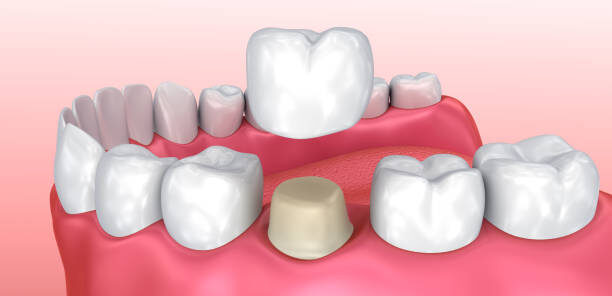
A crown recommendation often comes as a surprise, but crowns are one of the most versatile tools in restorative dentistry which is used to protect a weakened tooth, complete a root canal, anchor a bridge, or top a dental implant. If you’ve been told you need one, this dental crown buyer’s guide McKinney helps you think through material choices and what actually drives the cost.
Comparing Crown Materials: Porcelain, Zirconia, and Metal
Choosing a crown material isn’t just a cosmetic decision, it also affects how the crown feels, how it interacts with opposing teeth, and how it holds up under your specific bite over time. That’s why the recommendation your dentist gives you is based on the tooth’s location and function, not simply on which material looks best in photos.
All-porcelain crowns are prized for blending in with your natural teeth, making them a common choice for front teeth and other highly visible spots. They’ve improved significantly in strength over the years, though they can still be a bit more prone to chipping under heavy biting forces than some alternatives.
Zirconia crowns are a newer generation of ceramic material known for combining a natural-looking appearance with notable strength, which has made them a popular choice across both front and back teeth. They tend to hold up especially well for patients who grind their teeth or bite down hard.
Metal crowns (typically gold or another durable alloy) have one of the longest track records in dentistry for durability, particularly on back molars that take on the most chewing force. Their obvious drawback is appearance, most patients today prefer a tooth-colored option for anything visible when they smile.
Some crowns combine materials, such as porcelain fused to a metal base, aiming for a balance of appearance and strength. Your dentist can recommend which material fits the location of your tooth, your bite, and your appearance preferences.
When a Crown Makes More Sense Than a Filling or Veneer
A filling works when there’s enough healthy tooth structure remaining to support it; once decay or damage covers too much of the tooth, a crown — which caps the entire visible tooth — offers more protection against future cracking or breakage. Teeth that have had a root canal are also frequently capped with a crown, since the procedure can leave the tooth more brittle over time.
A veneer covers only the front surface of a tooth and is generally meant for cosmetic changes on teeth that are otherwise structurally sound. A crown is the better choice when the tooth itself is weakened, cracked, or has lost significant structure. Veneers aren’t designed to reinforce a compromised tooth the way a crown can.
What the Process Typically Looks Like
A traditional crown usually takes two visits. At the first, your dentist reshapes the tooth to make room for the crown, takes an impression or digital scan, and fits you with a temporary crown to protect the tooth while the permanent one is fabricated in a lab.
At the second visit, typically one to two weeks later, the temporary crown is removed and the permanent crown is checked for fit, shade, and bite before being cemented in place. Some practices offer same-day crowns using in-office milling technology, which can complete the entire process in a single visit — ask your dentist whether that’s an option for your case.
If the tooth needs a root canal first, that procedure is generally completed before the crown process begins, since it addresses the health of the tooth itself before it’s capped.
What Affects the Cost of a Crown
Material is usually the biggest factor — all-ceramic and zirconia crowns typically involve more lab work than a metal crown, which affects price. Beyond material, cost can be shaped by:
- Whether the tooth needs a root canal or other treatment before the crown is placed.
- Whether the crown is topping a natural tooth or a dental implant.
- The location of the tooth and any additional prep work required.
As with most restorative work, the clearest way to get an accurate estimate is a consultation and exam rather than a general price list. If you’re weighing whether a crown is worth the investment compared to a less expensive option, it can help to ask your dentist directly what happens to the tooth if treatment is delayed. In some cases waiting has little downside, while in others it can mean the difference between saving the natural tooth and eventually needing an extraction.
How Long a Crown Should Last
Crowns have a strong long-term track record when properly fitted and cared for, though the exact lifespan varies by material, location in the mouth, and habits like grinding. Regular checkups let your dentist catch early wear or a loosening crown before it becomes a bigger problem.
Avoiding hard foods like ice, using a nightguard if you grind your teeth, and keeping up with routine cleanings all help a crown last as long as possible. Even a well-made crown will eventually need replacement at some point, so periodic checkups matter even after the crown feels completely settled in.
A loose, chipped, or ill-fitting crown is worth addressing sooner rather than later, since a gap between the crown and the tooth underneath can allow new decay to develop where you can’t easily see it.
Ready to Talk Through Your Options?
If a crown has been recommended for your tooth, or you’re weighing a crown against another option, our team can walk you through the material choices that make sense for your situation.
Visit our Dental Crowns page to learn more, or request an appointment at our McKinney office.