
Do Dental Crowns Hurt? What to Expect Before, During, and After the Procedure
Are Dental Crowns Painful?
Let’s be honest. The moment your dentist says the word “crown,” your brain may quietly replace it with “pain.” It’s a natural reaction. Dental work has a reputation, and even people who’ve never had a bad experience sometimes brace themselves for one.
So, are dental crowns painful?
Short answer: not really. For most patients, getting a dental crown is far more comfortable than they expect. Modern dentistry has come a long way, and today’s techniques prioritize both precision and patient comfort.
Common concerns we hear include:
- “Will the drilling hurt?”
- “Is it worse than a root canal?”
- “How long will I be sore?”
- “What if I can’t go back to work?”
The reassuring truth is this: dental crowns are generally considered a mild to moderate procedure in terms of discomfort. In fact, when people ask, “What is the most painful dental procedure?” Crowns rarely make the list. Complex extractions, untreated abscesses, and certain oral surgeries typically cause far more discomfort than a routine crown placement.
In this article, we’ll walk through what dental crowns are, why dentists recommend them, what happens during the procedure, what you might feel afterward, and when discomfort might signal a problem. No drama. Just clear, practical insight.
What is a Dental Crown and Why Do Dentists Recommend Them?
Definition and Purpose
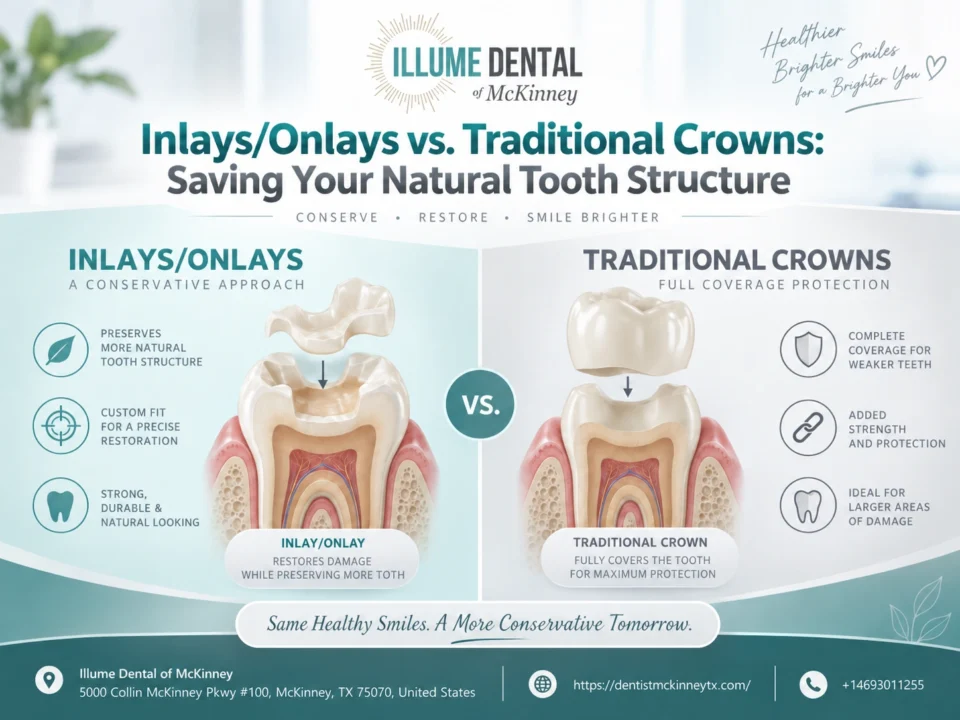
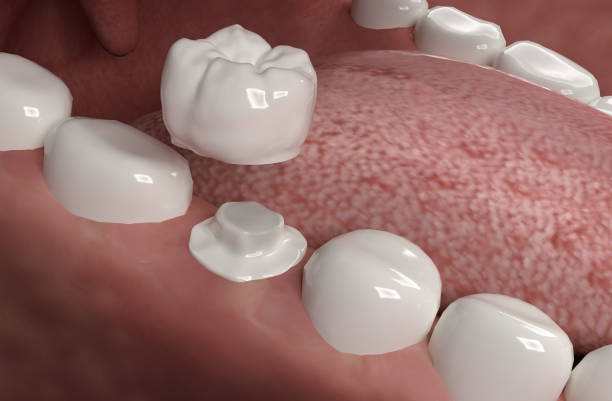
A dental crown is essentially a custom-made, tooth-shaped cap that fits over a damaged tooth. Think of it like a helmet for your tooth.
It serves three main purposes:
- Restores strength
- Restores function
- Restores appearance
When a tooth is cracked, weakened, heavily filled, or worn down, it may no longer be structurally sound. A crown protects what’s left while allowing you to chew, speak, and smile normally.
When is a Dental Crown Needed?
Dentists recommend crowns in several common situations:
- Weak or cracked teeth that are at risk of breaking
- Severely decayed teeth that can’t hold a regular filling
- After root canal treatment, when the inner nerve has been removed
- Worn-down teeth from grinding
- To cover dental implants
- Cosmetic improvements for misshapen or discolored teeth
If your tooth is compromised but still salvageable, a crown often prevents the need for extraction.
Why Do Dentists Push for Crowns?
Some patients wonder if crowns are “overkill.” In many cases, they’re not.
Dentists recommend crowns because they:
- Prevent further structural damage
- Protect teeth after root canal therapy
- Save money long-term compared to repeated fillings
- Preserve your natural tooth instead of removing it
It’s often a proactive decision, not an aggressive one.
Does Getting a Dental Crown Hurt During the Procedure?
What Happens at the Appointment
Understanding the process helps reduce anxiety.
Here’s what typically happens:
- Local anesthesia is administered. This numbs the tooth and surrounding area completely.
- Tooth preparation. A small amount of enamel is removed to make space for the crown.
- Impressions or digital scans. These ensure a precise fit.
- Temporary crown placement. This protects your tooth while your permanent crown is being made.
Modern tools and numbing agents make the experience surprisingly manageable.
What Patients Typically Feel
Most patients describe:
- Pressure, but not sharp pain
- Complete numbness during the procedure
- Mild jaw soreness from keeping their mouth open
The drilling sound may be more uncomfortable than the actual sensation. It’s often a psychological hurdle rather than a physical one.
What Hurts More, a Root Canal or a Crown?
This is a common comparison. Understanding custom dental crown planning and placement can also help patients know how their treatment will be structured.
- A root canal treats infected nerves inside the tooth.
- A crown restores the tooth’s outer structure.
Both procedures use local anesthesia. Most patients report similar comfort levels during both.
If there is pain, it usually stems from infection before treatment, not from the crown itself.
What to Expect After Getting a Dental Crown
Immediate Post-Procedure Sensations
Once the anesthesia wears off, you may notice:
- Mild soreness around the tooth
- Slight gum tenderness
- Sensitivity to hot and cold
This is completely normal. Your tooth and surrounding tissues have been worked on.
For most people, these sensations fade within a few days.
Can I Go to Work After Getting a Crown?
In most cases, yes.
Patients usually:
- Return to work the same day
- Resume normal activities
- Eat carefully once numbness fades
The only real caution? Avoid chewing on the numb side of your mouth until full feeling returns. Accidentally biting your cheek is far worse than the crown itself.
Common Causes of Discomfort After a Crown
Even though crowns are generally comfortable, mild issues can pop up.
Sensitivity After Placement
Temporary sensitivity happens because:
- The tooth was reshaped
- Nerves may be slightly irritated
- The new crown conducts temperature differently
This typically resolves within a few days to a couple of weeks.
Pain When Biting Down
If biting feels “off,” it may be due to:
- Bite misalignment
- A high spot on the crown
This is usually an easy fix. A quick adjustment by your dentist can relieve the pressure almost instantly.
Gum Irritation
The gums around the crown may experience:
- Temporary inflammation
- Minor swelling
This often improves with gentle brushing and time.
When is Crown Pain Not Normal?
While mild discomfort is expected, certain symptoms are not.
Signs You Should Call Your Dentist
Contact your dentist if you experience:
- Sharp or severe pain
- Pain lasting beyond one week
- Swelling or visible pus
- A bad taste that won’t go away
- A loose or cracked crown
- Persistent pain when chewing
These may indicate infection or a fit issue.
Why Can a Dental Crown Hurt Years Later?
A crown that once felt fine can develop issues over time.
Possible causes include:
- Tooth decay forming underneath
- Gum disease and recession
- Normal wear and tear
- Bruxism (teeth grinding)
- Improper crown fit
Crowns are durable, but they’re not indestructible.
How Long Do Dental Crowns Last and How Can You Prevent Problems?
Average Lifespan
Most crowns last 5 to 15 years, and often much longer with proper care.
Durability depends on:
- The material used
- The quality of placement
- Your oral habits
Factors That Affect Durability
Your daily habits matter more than you think.
Key factors include:
- Oral hygiene
- Grinding or clenching
- Diet
- Skipping dental checkups
Hard candies and ice are not crown-friendly.
How to Manage and Prevent Discomfort
To protect your crown:
- Use over-the-counter pain relief if needed
- Avoid hard or sticky foods early on
- Brush and floss gently but consistently
- Schedule regular dental checkups
- Wear a night guard if you grind
- Avoid chewing on pens, ice, or fingernails
Think of your crown like a high-quality investment. A little care goes a long way.
Dental crowns have an intimidating reputation, but in reality, they’re one of the more predictable and comfortable restorative treatments available today. Most patients walk in nervous and walk out saying, “That wasn’t nearly as bad as I expected.”
The key takeaway? The fear is usually bigger than the experience. Continued advances in materials and digital treatment planning also show how dental crowns predict the future of personalized dentistry.
Protect Your Smile the Smart Way
If you’ve been putting off treatment because you’re worried it might hurt, let’s talk it through. At Illume Dental of McKinney, we focus on comfort, clarity, and making sure you know exactly what to expect at every step.
Schedule your consultation today and let’s make your next dental visit far less stressful than you imagined.